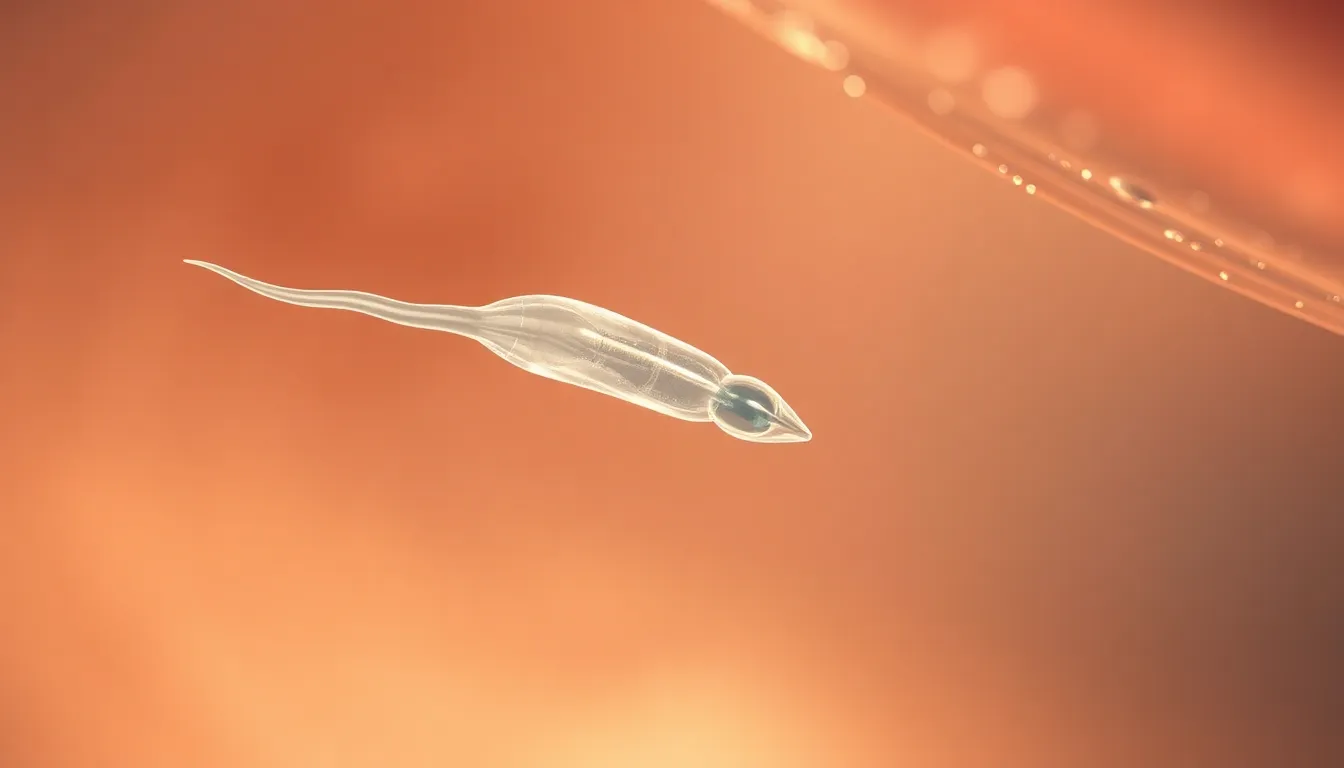
When it comes to the mysteries of human reproduction, one question often raises eyebrows: can sperm really make the leap from outside to inside? Picture this: a tiny swimmer, full of ambition, trying to navigate the great unknown. It’s like a fish out of water, but with a mission!
Understanding Sperm Travel
Sperm encounter numerous obstacles when transitioning from outside to inside the female reproductive system. During ejaculation, millions of sperm are released, but only a few hundred reach the egg. Various factors influence this journey, including the sperm’s motility and the structure of the female anatomy.
Sperm must swim through the vaginal canal, which presents a hostile environment. The presence of vaginal pH levels and cervical mucus alters the conditions. The female body provides a complex environment, which assists sperm movement under certain conditions.
Once sperm reach the cervix, their next hurdle involves navigating through cervical mucus. This mucus can vary in consistency, becoming more conducive to sperm travel during ovulation. Favorable cervical mucus allows sperm access to the uterus and fallopian tubes.
Sperm can survive for up to five days in the female reproductive tract. This survival window is crucial for successful fertilization. If sperm manage to swim to the egg, the fertilization process can begin.
Factors like timing and female health significantly affect the chances of successful sperm travel. Sperm exposed to optimal conditions have a better chance of reaching their destination. Awareness of these mechanisms highlights the complexity of human reproduction.
Maintaining a healthy lifestyle and understanding the reproductive cycle can enhance the likelihood of conception.
Factors Affecting Sperm Mobility
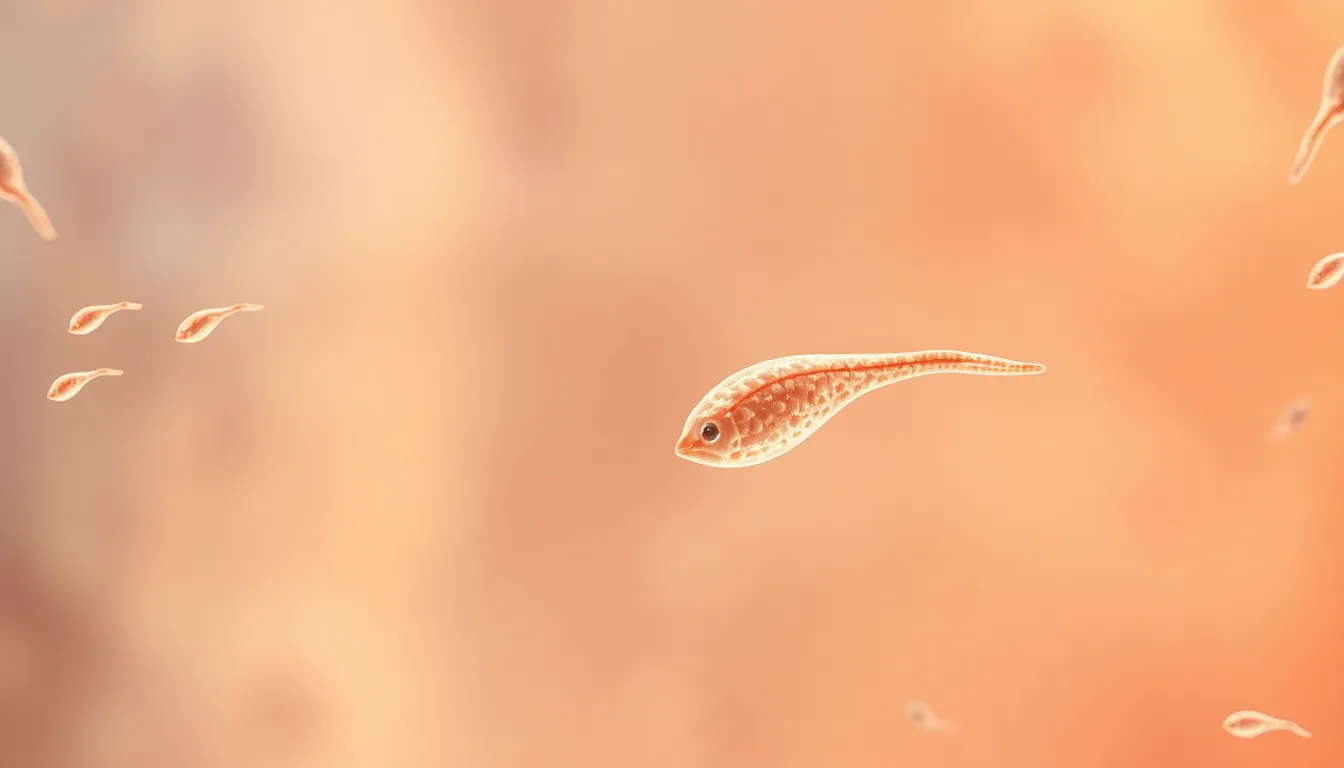
Sperm mobility depends on various factors influencing their ability to reach the egg. Key elements include environmental conditions and duration of viability.
Environmental Conditions
Vaginal pH levels greatly impact sperm survival. An acidic environment can hinder sperm motility, while a slightly alkaline pH supports it. Cervical mucus alters consistency throughout the menstrual cycle. During ovulation, cervical mucus becomes thinner and more conducive to sperm transit. Temperature also plays a role; sperm thrive in optimal temperatures. External factors, such as exposure to harsh chemicals or temperature extremes, can affect mobility. Overall, the reproductive environment significantly determines the success rate of sperm as they navigate toward the egg.
Duration of Viability
Sperm can survive inside the female reproductive tract for up to five days. Factors influencing this viability include the quality of sperm and overall health. Healthy sperm maintain motility longer, increasing fertilization chances. The menstrual cycle affects how long sperm can remain viable. Timing intercourse during ovulation maximizes the probability of successful fertilization. Understanding these dynamics enhances awareness of fertility and conception timing. The interplay of sperm viability and cycle timing significantly impacts reproductive success.
Natural Pathways for Sperm Travel
Sperm follow specific pathways to reach the egg within the female reproductive system. Understanding these pathways is crucial for comprehending the journey from outside to inside.
Through the Reproductive Tract
Sperm journey through the vaginal canal into the uterus. Once inside, they must navigate the cervix, which opens during ovulation, allowing easier access. During this time, changes in cervical mucus create a more favorable environment for sperm travel. Sperm can survive for five days within the female reproductive tract, increasing the likelihood of successful fertilization when timed appropriately with ovulation.
Barriers to Sperm Entry
Sperm face various barriers that challenge their entry. An acidic vaginal environment can hinder sperm motility, while the consistency of cervical mucus varies throughout the menstrual cycle. Some mucus can obstruct entry, while optimal conditions during ovulation promote sperm movement. Additionally, environmental factors, like temperature and exposure to chemicals, also impact sperm viability, making certain conditions less hospitable.
Sperm and Surfaces
Sperm encounter different surfaces that impact their ability to move and survive outside the female body. Understanding these characteristics reveals how external environments influence sperm viability.
Surface Characteristics
Surfaces play a crucial role in sperm motility. Smooth, non-adhesive surfaces support sperm movement more effectively than textured surfaces. Sperm may struggle to propel themselves on rough surfaces, where friction can impede their journey. In physiological terms, surfaces that replicate the natural environment of the reproductive tract can enhance sperm performance. Further, temperature regulations on surfaces matter. Warmer surfaces help maintain sperm viability compared to colder ones, which can decrease mobility.
Impact of Various Materials
Materials also significantly affect sperm survival. Latex condoms can deactivate sperm due to their chemical composition, reducing the likelihood of fertilization. Likewise, certain lubricants contain harmful chemicals that can impede sperm motility. Water-based lubricants tend to be less detrimental, allowing better sperm movement. Surfaces treated with spermicidal agents present further challenges for sperm, as their potency can kill sperm upon contact. Recognizing these material impacts aids in better understanding the complexities of reproduction.
Sperm’s journey from the outside environment to the female reproductive system is both complex and fascinating. Despite facing numerous challenges such as hostile pH levels and varying cervical mucus, sperm exhibit remarkable resilience and adaptability. Their ability to survive for several days within the female tract enhances the chances of successful fertilization.
Understanding the factors influencing sperm mobility and viability is essential for those looking to conceive. Recognizing the significance of timing and optimal conditions can significantly impact reproductive success. This knowledge not only fosters awareness of fertility but also empowers individuals to make informed decisions regarding conception.