Flip through any women’s health magazine, and you’ll find eye-catching covers that promise everything from glowing skin to the secret to eternal youth. These vibrant visuals don’t just sell magazines; they shape perceptions of health, beauty, and wellness. But what’s the real story behind those glossy images?
Beneath the surface, these covers reflect societal trends and evolving conversations about women’s health. They tackle everything from body positivity to mental wellness, often with a sprinkle of humor and a dash of sass. So, why do these covers matter? They’re more than just pretty pictures; they’re a mirror to the challenges and triumphs women face today. Let’s dive into the world of women’s health magazine covers and uncover the messages they convey.
Overview of Women’s Health Magazine Covers
Women’s health magazine covers play a crucial role in shaping public perceptions of women’s health. These covers often feature empowering imagery that caters to diverse audiences. Cover designs incorporate bright colors and bold typography to attract attention. The inclusion of influential figures also resonates with readers, offering representation and relatability.
Current trends are evident in the topics highlighted on these covers. Examples include body positivity, mental health, and wellness practices that promote a holistic lifestyle. These themes reflect broader societal conversations, demonstrating how magazine covers can lead to awareness and advocacy. Statistics indicate that diverse representation on covers increases readership, particularly among younger demographics.
Visual elements strongly influence reader engagement. Compelling photographs and creative layouts capture attention and encourage purchase decisions. Each cover serves not only as a marketing tool but also as a platform for essential health discussions. Balancing aesthetics with informative content remains a priority for leading publications.
Industry leaders continuously adapt to changing reader preferences. As a result, there’s a noticeable shift towards inclusive narratives in women’s health media. The evolution of women’s health magazine covers highlights an ongoing commitment to addressing relevant issues. Covers that emphasize realistic portrayals foster a sense of community among readers.
Information disseminated through these covers affects women’s health literacy. Much content inspires readers to explore topics extensively. Engaging magazine covers invite conversations about physical, emotional, and social well-being, contributing to improved health outcomes. Each edition aims to empower women by providing them with knowledge and resources essential for better health management.
Evolution of Magazine Design
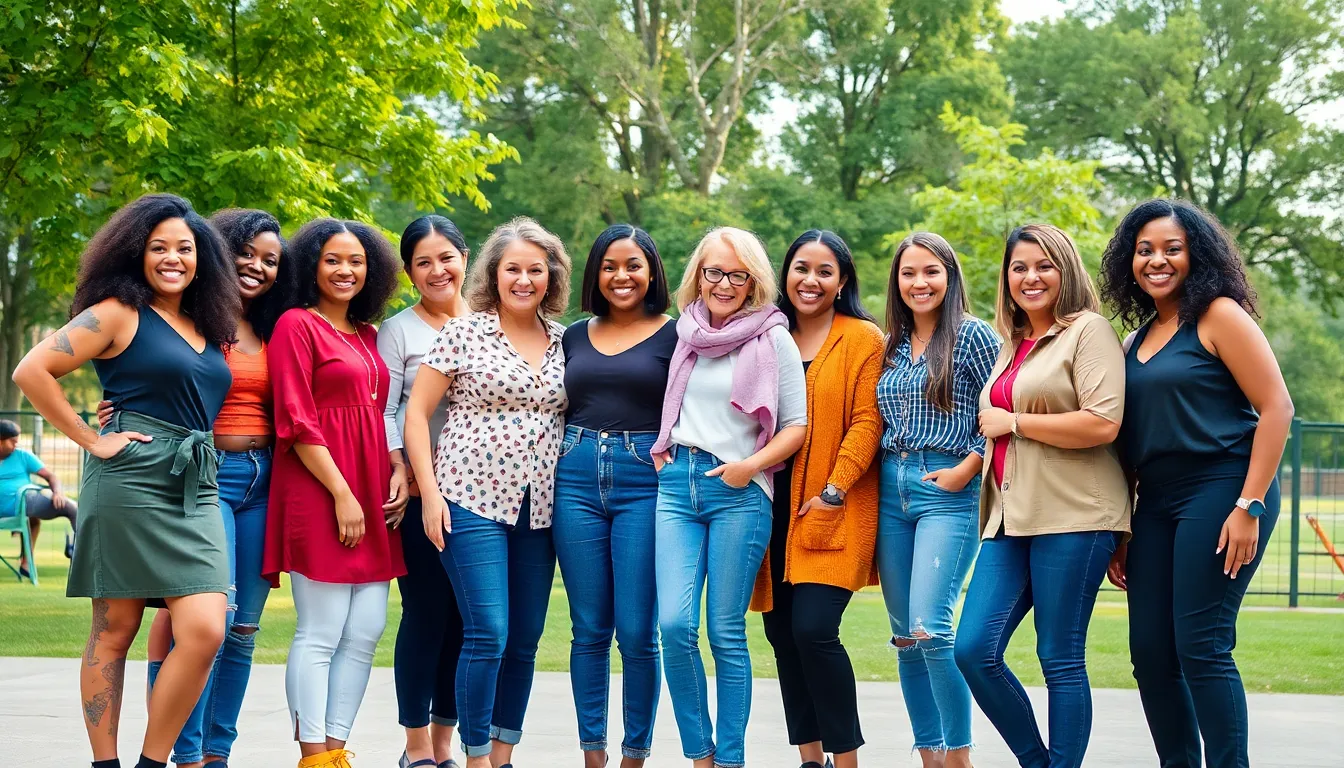
The evolution of magazine design reflects changing societal values and emerging trends in women’s health. Women’s health magazine covers have transformed significantly over the decades.
Historical Context
Traditional magazine covers often emphasized idealized beauty standards, presenting narrow representations of women. In the 1970s and 1980s, these publications began showcasing more diverse images, promoting messages of empowerment. The shift continued into the 1990s and 2000s, where topics like body image and mental health gained prominence on covers. These changes mirrored wider cultural movements, indicating a growing acknowledgment of women’s diverse experiences. By the 2020s, magazines have largely embraced inclusivity, offering a platform for varied narratives that resonate with contemporary readers.
Key Design Elements
Visually, magazine covers use vibrant colors and bold typography to draw attention. Compelling photographs capture diverse faces, showcasing women of different backgrounds. Layouts focus on clarity, allowing headlines and images to work in harmony. Recent designs prioritize accessibility, ensuring that messages are communicated clearly. Element combinations, like clean lines and engaging visuals, contribute to an inviting aesthetic. Readers gravitate towards covers that balance beauty with informative content, leading to a deeper connection with the material inside.
Impact on Women’s Health Perception
Magazines influence how society perceives women’s health. They showcase vibrant imagery and diverse representations that resonate with a broad audience.
Representation and Diversity
Magazines increasingly spotlight diverse women on their covers. These representations go beyond traditional beauty standards, reflecting various body types, ethnicities, and ages. This shift fosters a sense of belonging among readers. They see themselves represented and feel inspired to engage more with the content. From curvy women to aging figures, the inclusivity portrayed encourages dialogue about acceptance and self-love. Such visibility impacts how women perceive their health and bodies, promoting healthier societal standards.
Topics and Themes
Current magazines emphasize essential topics in women’s health. They cover issues like mental wellness, body positivity, and reproductive rights, which resonate with contemporary concerns. Each cover reflects societal trends, inviting discussions that matter to readers. Articles about holistic approaches and fitness routines also gain attention. Such themes empower women to take charge of their health. Engaging content educates and informs, inspiring positive actions towards well-being. By exploring these themes, magazines contribute to a more informed and health-conscious readership.
Analysis of Iconic Covers
Women’s health magazine covers feature iconic imagery, presenting themes that resonate deeply with readers. These covers shape discourse around health and wellness, reflecting societal attitudes.
Case Studies of Noteworthy Issues
Noteworthy issues include the September 2018 cover of Health, featuring Lizzo, which highlighted body positivity and self-love. The bold portrayal challenged traditional beauty norms. Another impactful cover was the March 2020 issue of Women’s Health, showcasing diverse body types and promoting mental wellness, tapping into ongoing conversations around acceptance. Each of these selections serves as a case study in how visual representation influences engagement and advocacy among readers.
Critical Reception
Critical reception of women’s health magazine covers varies based on societal context. The covers typically receive praise for their representation and empowering messages. Self magazine’s 2019 cover, featuring plus-size model Ashley Graham, sparked conversations on inclusivity in the industry, with many applauding its progressive stance. In contrast, some critics argue that certain portrayals still lean towards unrealistic beauty standards. Overall, reception reflects the ongoing evolution of expectations regarding women’s health media and its responsibilities in shaping public perception.
Trends in Recent Covers
Recent women’s health magazine covers showcase a shift towards inclusivity and diversity. Cover images increasingly reflect a broader spectrum of body types, emphasizing body positivity. Powerful visuals now resonate with younger audiences while challenging traditional beauty standards.
Mental wellness remains a focal point on current covers. Magazines often highlight stories promoting emotional health and self-care practices. This emphasis fosters dialogue among readers about the importance of mental well-being.
Holistic health practices appear frequently on the latest covers. Readers can find articles discussing nutrition, fitness, and mindfulness, promoting a comprehensive approach to wellness. These themes encourage women to prioritize their overall health.
Engagement with magazine covers centers on empowering imagery. Bold typography and vibrant colors catch the viewer’s eye, making the messages inside more accessible. High-quality photographs highlight diverse representations, enhancing relatability for a varied audience.
Notable examples demonstrate the impact of these design choices. The September 2018 issue of Health, featuring Lizzo, sparked discussions surrounding body positivity. Similarly, the March 2020 issue of Women’s Health showcased different body shapes, promoting acceptance and self-love.
Critical reception of these trends reveals a mix of praise and critique. Many readers appreciate the emphasis on diverse representations, while some raise concerns about unrealistic portrayals. This feedback indicates an ongoing evolution in the expectations placed on women’s health media.
Overall, magazine covers contribute to shifting public perceptions about women’s health. By addressing contemporary issues, these covers inspire readers to engage with their own health journeys. Innovations in design and content help foster a more informed and empowered readership.
Women’s health magazine covers play a pivotal role in shaping perceptions and fostering dialogue around critical health issues. By embracing diversity and inclusivity, these covers resonate with a wide audience while promoting vital topics like body positivity and mental wellness.
As the industry continues to evolve, the emphasis on realistic portrayals and empowering imagery creates a more informed readership. This shift not only encourages women to engage with their health journeys but also cultivates a sense of community and support.
The ongoing transformation of magazine covers reflects broader societal values and highlights the importance of representation in women’s health media. Through these vibrant visuals, readers are inspired to prioritize their well-being and advocate for positive change in their lives and communities.