Imagine waking up to the sound of waves in Bali or the hum of a bustling café in Paris, all while being able to earn a living. This dream isn’t just for lottery winners: it’s the reality of many digital nomads. They’ve cracked the code for working and traveling, blending work with adventure like a perfectly brewed cup of coffee. Curious about how you can join this lifestyle? Let’s jump into the intriguing realm of digital nomadism, where the only real office is your laptop and your Wi-Fi connection.
Understanding the Digital Nomad Concept

The term “digital nomad” refers to individuals who leverage technology to work remotely while traveling the world. This means no nine-to-five office grind or lengthy commutes. Instead, they embrace a lifestyle that combines work with travel, exploring new destinations while maintaining their careers. This modern approach to work is made possible by the rise of the internet, flexible jobs, and a desire for freedom. With ever-evolving technology, the digital nomad lifestyle is appealing to many people from diverse backgrounds. It’s not limited to freelancers: remote corporate employees and entrepreneurs are finding ways to make this lifestyle work for them.
Key Characteristics of Digital Nomads
Digital nomads share some common characteristics that set them apart from traditional workers.
- Flexibility: They thrive on flexibility, choosing their working hours and locations. Whether it’s a beach in Thailand or a cozy café in Lisbon, they have options.
- Remote Work: Almost exclusively, their work is done online. This includes jobs in tech, writing, design, consulting, and more.
- Adaptability: Constantly adapting to new environments is crucial. They must adjust to different time zones, cultures, and workspaces without skipping a beat.
- Tech Savvy: Mastery of digital tools is non-negotiable. From project management software to communication apps, they need to be on top of technology.
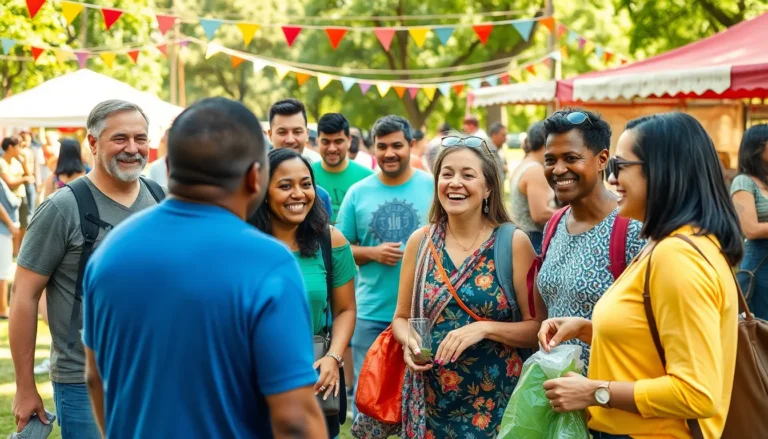
- Community-Oriented: Many digital nomads seek out communities, connecting with like-minded individuals in co-working spaces or social events. Building networks is vital for both professional and personal support.
Benefits of a Digital Nomad Lifestyle
The perks of being a digital nomad are enticing:
- Travel Opportunities: The world becomes your playground. Explore diverse cultures, cuisines, and landscapes while earning a living.
- Work-Life Balance: With the freedom to create their schedules, digital nomads often have a better work-life balance than conventional workers.
- Networking: Connecting with international communities opens doors to new ideas and friendships, enriching both personal and professional lives.
- Personal Growth: Facing challenges in unfamiliar places fosters resilience, creativity, and adaptability, shaping them into well-rounded individuals.
The thrill of adventure combined with professional fulfillment makes this lifestyle incredibly attractive.
Challenges Faced by Digital Nomads
Even though its allure, living as a digital nomad isn’t all sunshine and rainbows. Here are some common challenges:
- Isolation: Continuous travel can lead to feelings of loneliness. The excitement of new places sometimes can’t replace the comfort of home.
- Work Disruptions: Finding stable Wi-Fi can be a major obstacle. Not all countries or locations provide reliable internet, making it hard to stay connected.
- Visas and Regulations: A digital nomad must navigate various visa requirements and regulations. Understanding local laws about work can become a complex puzzle.
- Managing Finances: Fluctuating incomes and currency exchanges might complicate financial management. Budgeting and saving become crucial skills.
Essential Tools for Digital Nomads
To thrive in this lifestyle, digital nomads rely on particular tools:
- Laptops and Smartphones: A reliable laptop and smartphone are the primary work tools, enabling productivity from anywhere.
- Online Collaboration Tools: Platforms like Slack, Zoom, and Trello help communication and task management with teams worldwide.
- Cloud Storage: Services like Google Drive and Dropbox keep important files accessible and safe, no matter where they are.
- VPNs: Virtual Private Networks secure online connections and allow access to geo-blocked content, which is essential while traveling.
- Travel Apps: Apps for accommodation, local experiences, and transportation help them easily navigate new environments.
The Future of Digital Nomadism
As remote work becomes mainstream, the future of digital nomadism looks promising. More companies are adopting flexible work policies, and technology continues to innovate, making this lifestyle increasingly viable. Also, co-living and co-working spaces are popping up in various countries, catering specifically to digital nomads. This movement not only reshapes the traditional workspace but also influences local economies positively, as nomads spend money in the communities they inhabit. Besides, as more people embrace the need for a balanced, fulfilling lifestyle, the digital nomad trend is likely to grow, welcoming a diverse range of individuals from all walks of life.