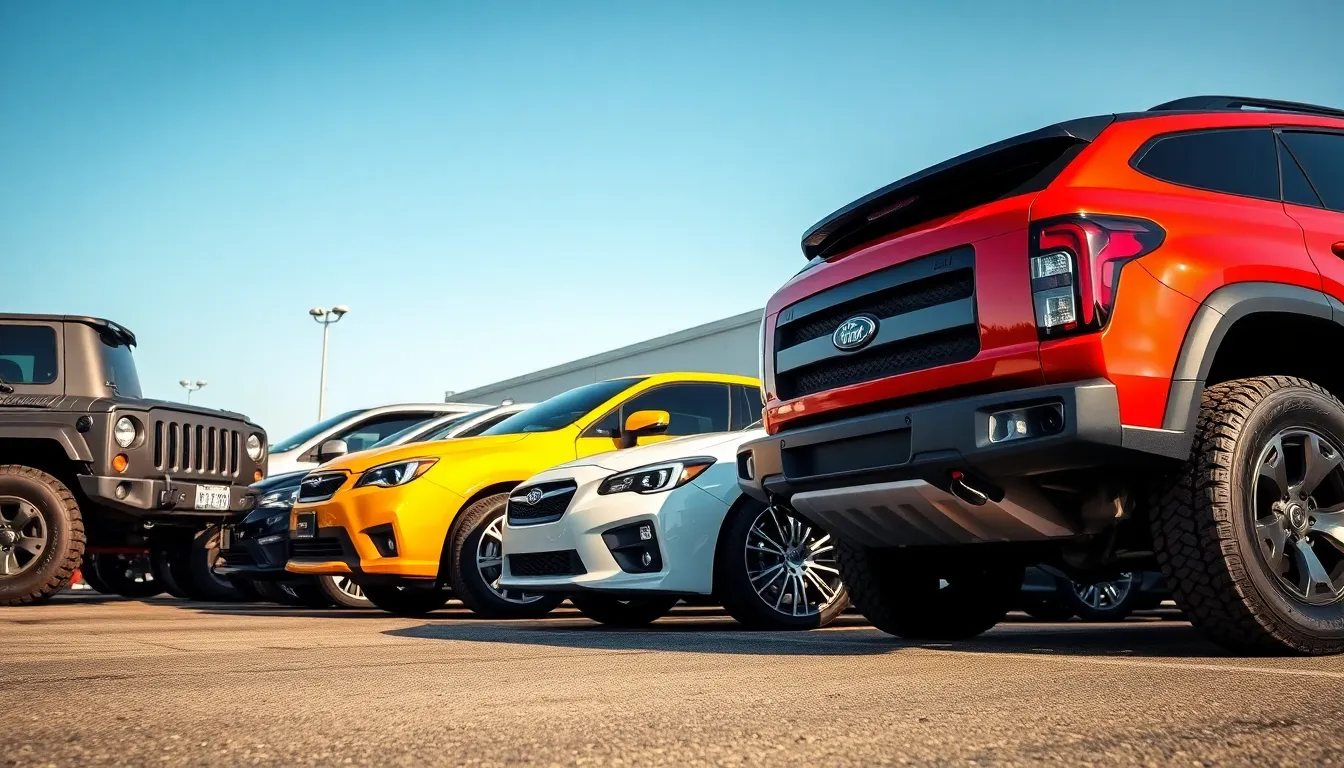
When it comes to buying a car, everyone wants a sweet ride that won’t turn into a financial black hole. Picture this: you drive off the lot, and your car’s value plummets faster than a lead balloon. But fear not! Some cars are like fine wine—they get better with age and hold their value like a pro.
In a world where depreciation is the villain in your automotive story, knowing which cars stand the test of time can save you a bundle. From rugged SUVs to sleek sedans, certain models have mastered the art of retaining value. Buckle up as we dive into the world of cars that not only look good but also keep your wallet happy long after you drive off into the sunset.
Understanding Value Retention
Value retention refers to a vehicle’s ability to maintain its worth over time. Various factors contribute to how well a car holds its value, including brand reputation, demand, and market trends. Brands with a strong reputation for reliability often see their vehicles retain value better than others.
In general, SUVs and trucks tend to fare better than sedans. Their versatility appeals to a broad range of consumers, contributing to higher resale prices. Specific models, like the Toyota 4Runner and the Ford F-150, consistently rank high in value retention metrics, according to various industry analyses.
Mileage and condition also play crucial roles. Lower mileage often indicates a car is in better shape, which attracts more buyers when it comes time to sell. Regular maintenance helps, too; a well-kept vehicle fares better in the resale market.
Additionally, features can impact value retention. Cars equipped with advanced safety technology and modern infotainment systems typically hold their value longer than those lacking such amenities. Limited production runs or unique features may also enhance desirability.
Demand in the used car market shifts over time. For instance, the rise in popularity of electric and hybrid vehicles influences retention rates as buyers increasingly seek eco-friendly options. The Nissan Leaf and Tesla Model 3 are examples of electric cars gaining traction in value retention.
Understanding these factors can guide buyers in choosing models that not only satisfy their current needs but also secure their financial future. Making an informed choice leads to a more rewarding investment, ultimately easing potential frustrations associated with depreciation.
Factors That Influence Car Value Retention
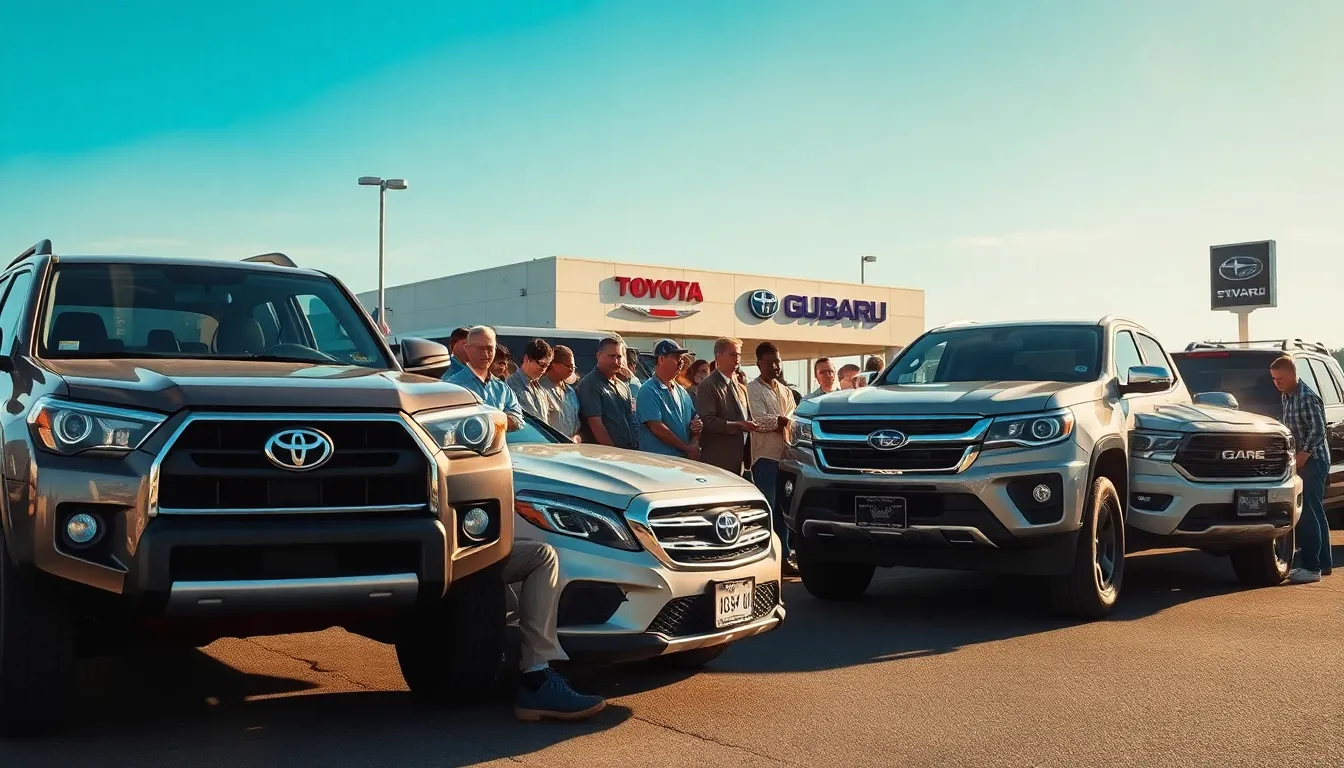
Understanding the factors that affect a car’s value retention helps buyers make informed choices. Several key elements play a significant role in determining how well a vehicle holds its value.
Depreciation Rates
Depreciation rates differ across vehicle types. Typically, new cars lose 20% to 30% of their value within the first year. Certain brands, however, experience slower depreciation due to their durability and reputation. SUVs and trucks, for example, tend to depreciate less than sedans. Many owners notice that models like Subaru and Toyota maintain significant resale values over time. Recognizing these depreciation trends enables buyers to select vehicles that retain value effectively.
Market Demand
Market demand influences car value retention considerably. High demand for specific models elevates their resale prices. Factors like limited production, popularity, and emerging trends affect demand. Electric vehicles have seen a surge in interest due to environmental awareness and fuel efficiency, notably boosting models like the Tesla Model 3. Additionally, vehicles with advanced safety features attract buyers, further enhancing market demand. Understanding these dynamics helps consumers choose vehicles positioned for high resale values.
Top Cars That Hold Their Value the Best
Certain vehicles consistently retain their value better than others. Various categories showcase strong contenders for value retention, including luxury SUVs, compact cars, and trucks.
Luxury SUVs
Luxury SUVs, such as the Porsche Macan and Lexus GX, stand out for their ability to maintain a high resale value. Ease of resale connects directly to brand reputation and the appeal of luxury features. A study from Kelley Blue Book indicates that luxury SUVs often outperform other segments in retaining value, making them a smart choice for buyers. The combination of demand for premium brands and their durability contributes to lower depreciation rates. Moreover, consumers often seek these vehicles for their comfort and performance, ensuring sustained demand in the used market.
Compact Cars
Compact cars like the Honda Civic and Toyota Corolla consistently demonstrate excellent value retention. These models blend affordability with reliability, appealing to a broad audience. Their popularity in urban environments drives demand, leading to higher resale prices. Experts note that these models experience slower depreciation compared to larger vehicles. Safety features, fuel efficiency, and low maintenance costs further enhance their appeal, solidifying their status as wise investments in the used car market.
Trucks
Trucks such as the Ford F-150 and Toyota Tacoma excel in holding their value over time. Their versatility for work and recreation attracts a diverse buyer pool. Trucks typically experience strong demand, which results in elevated resale prices. High-performance features combined with robust construction contribute to their enduring popularity. Data indicates that certain segments of the truck market experience depreciation rates significantly lower than cars and SUVs. The appeal of trucks for both professional and personal use ensures that they remain highly sought after in the resale market.
Tips for Choosing a Car That Retains Value
Selecting a car that retains value requires careful consideration of several key factors. Understanding these tips can lead to smarter financial decisions down the line.
Research and Reviews
Research extensively before making a purchase. Look into models with favorable reviews regarding reliability and resale value. Consult trusted automotive websites and customer reviews to gauge performance and longevity. Check insights on depreciation rates among different brands. Some brands, like Toyota and Subaru, consistently perform better in value retention. Recognizing these patterns helps buyers discern which models are worth their investment.
Maintenance and Upkeep
Prioritize proper maintenance and upkeep to enhance a vehicle’s resale value. Regular service, including oil changes and tire rotations, ensures longevity and optimal performance. Keeping detailed records of maintenance history can impress future buyers. Address any potential issues promptly to prevent costly repairs later. Clean interiors and exteriors contribute significantly to a vehicle’s appearance and perceived value. Vehicles in excellent shape maintain higher resale prices, making diligent care essential for value retention.
Choosing a car that retains its value is crucial for making a sound financial investment. Buyers can avoid the pitfalls of rapid depreciation by focusing on models known for their durability and demand. With the right research and understanding of market trends, they can select vehicles that not only meet their needs but also provide long-term value.
From rugged trucks to reliable compact cars, the options are plentiful. By considering factors like brand reputation and maintenance, buyers can confidently navigate the used car market. Ultimately, making informed decisions today can lead to better resale opportunities tomorrow.