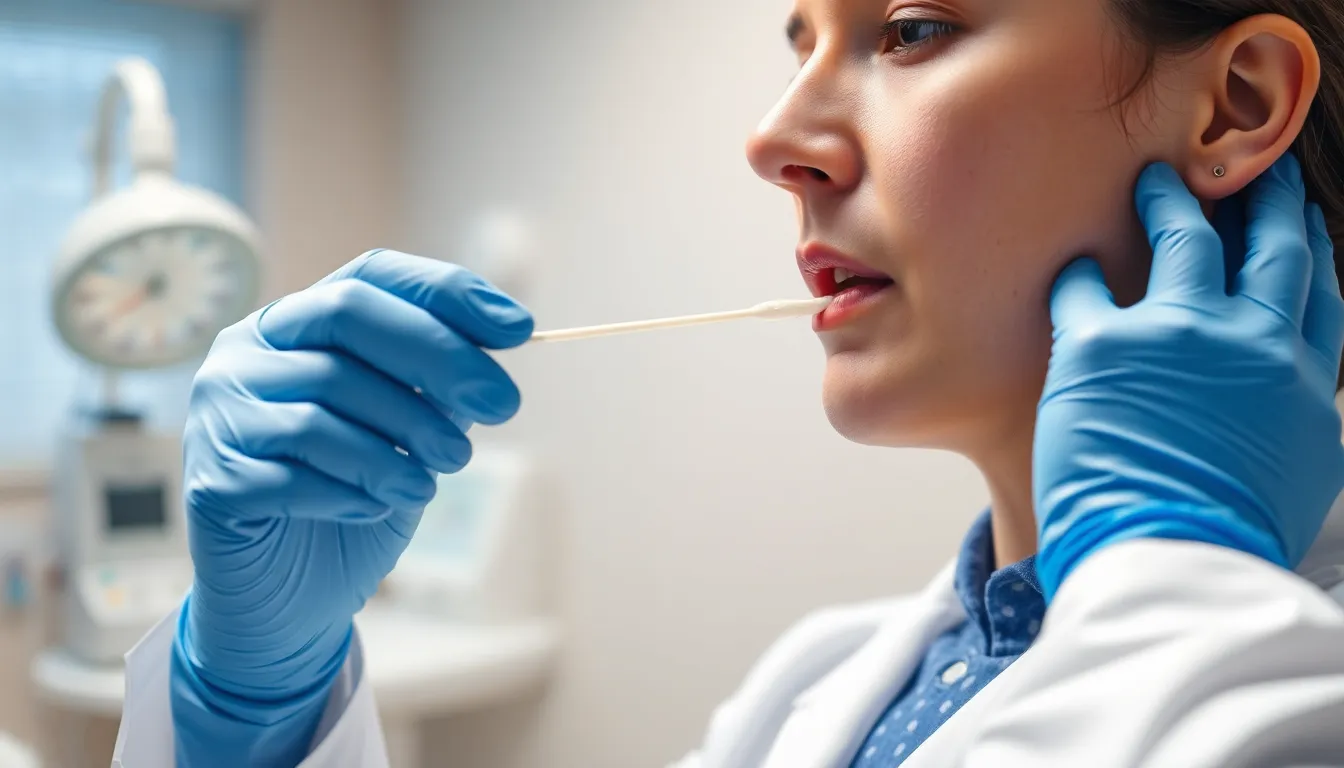
In the world of medical testing, the viral culture swab is the unsung hero, quietly working behind the scenes to keep us healthy and informed. Think of it as the detective of the diagnostic world, swooping in to identify those pesky viruses that love to crash the party. With a simple swab, it gathers the evidence needed to pinpoint infections and guide appropriate treatments.
But don’t let its simplicity fool you; this little tool packs a punch! Whether it’s the flu, COVID-19, or something more exotic, the viral culture swab is on a mission to ensure that no virus goes undetected. So, next time you hear about swabbing, remember: it’s not just a test; it’s a vital step in the fight against viral villains.
Overview of Viral Culture Swabs
Viral culture swabs serve as essential tools in detecting viral infections. These swabs collect sample materials from a patient, typically from the nasal cavity or throat. Indications for their use include diagnosing infections such as influenza and COVID-19. Medical professionals utilize these swabs to grow viruses in a controlled laboratory environment, enhancing detection accuracy.
Precision in collection is crucial; incorrect sampling can lead to false-negative results. The swab must maintain sterility to prevent contamination and ensure reliable outcomes. Various types of swabs exist, each designed for specific viral pathogens. For instance, synthetic swabs are preferred due to their ability to facilitate virus growth without inhibiting results.
Laboratories incubate collected samples to allow viral replication. After an appropriate incubation period, technicians analyze the cultures to identify the presence of specific viruses. Observation methods may include microscopy or qualitative tests.
Importance extends beyond individual diagnoses. Surveillance efforts rely on data from viral culture swabs, helping track outbreaks and monitor circulating strains. Public health initiatives benefit from this information as it aids in vaccine development and prevention strategies.
Viral culture swabs hold significant value in medical diagnostics and public health response. Their role as a primary tool for viral identification cannot be overstated. Medical professionals count on these swabs to detect and respond to viral infections effectively, ensuring timely treatment and intervention.
Importance of Viral Culture Swabs
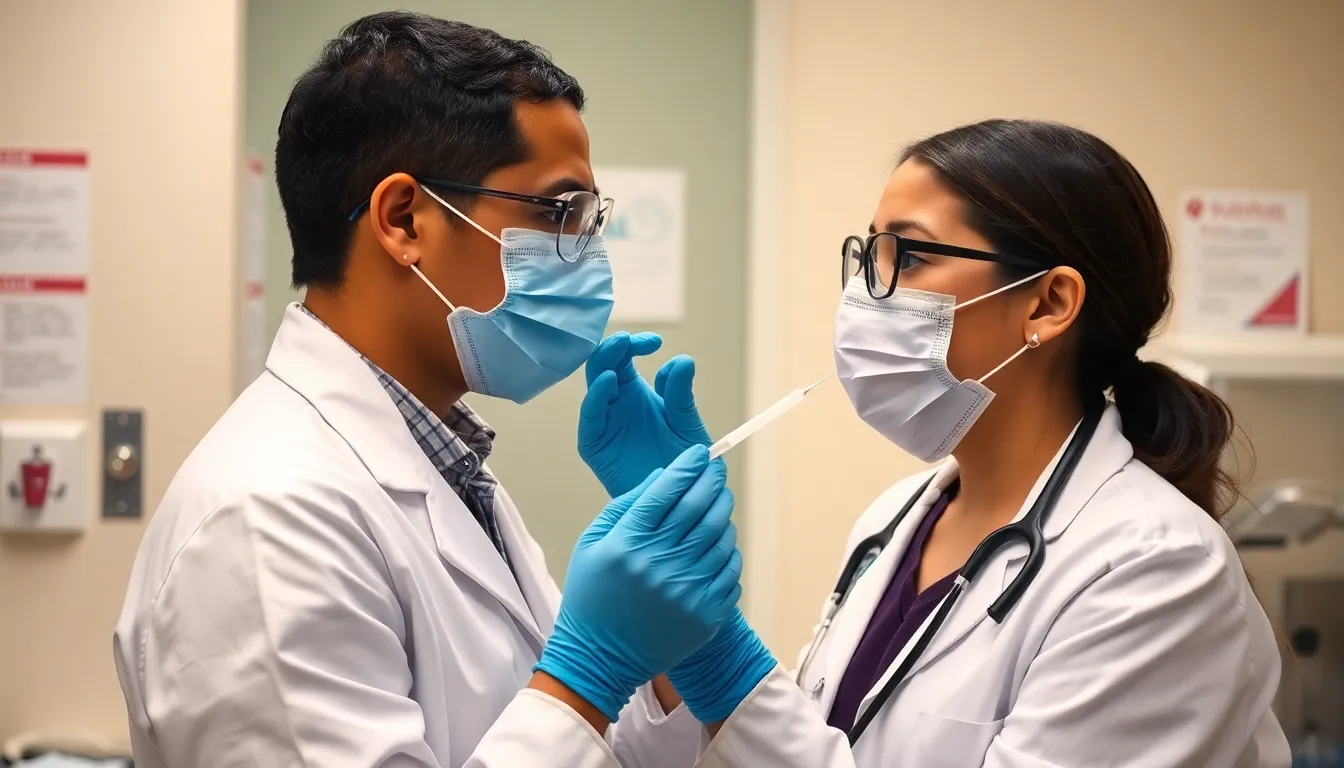
Viral culture swabs are crucial for effective diagnosis and tracking of viral infections. Their role in clinical settings enhances both patient care and public health safety.
Clinical Applications
Viral culture swabs have numerous clinical applications. Medical professionals utilize them to diagnose respiratory infections, such as influenza and COVID-19. They also aid in identifying other viral infections, including herpes and respiratory syncytial virus. By collecting specimens from the throat or nasal cavity, clinicians can create a viral culture that grows the virus in a controlled lab environment. This method allows for detailed analysis and tailored treatment options. Timely collection and testing ensure that appropriate therapies can be administered rapidly.
Diagnostic Benefits
Diagnostic benefits of viral culture swabs are significant. Enhanced detection accuracy results from growing viruses in laboratories, allowing for precise identification. Growing viruses helps confirm the presence of infection when rapid tests may yield false results. Maintaining sterility during collection is essential to avoid contamination. Collecting samples accurately directly impacts outcomes, as improper sampling can lead to missed diagnoses. Additionally, viral culture swabs support ongoing surveillance of viral strains, facilitating epidemiological studies and outbreak response. These swabs ultimately contribute to improved health management and better clinical decisions.
Types of Viral Culture Swabs
Viral culture swabs come in various forms, each suitable for specific diagnostic purposes. Understanding these types aids in effective sample collection and enhances testing accuracy.
Nasopharyngeal Swabs
Nasopharyngeal swabs are commonly used to gather samples from the nasal cavity. These swabs consist of flexible shafts with a soft, absorbent tip designed for optimal sample collection. Positioned deep in the nasal passage, they collect mucus and cellular debris, improving detection of viruses like influenza and COVID-19. Medical professionals prefer nasopharyngeal swabs for their ability to yield high-quality samples that enhance viral culture development. Proper technique during collection prevents discomfort and ensures adequate sample volume.
Oropharyngeal Swabs
Oropharyngeal swabs target the throat area for sample collection. Aimed at the tonsillar and oropharyngeal regions, these swabs have similar designs to nasopharyngeal variants but are shorter. They offer effective sampling for respiratory viruses, particularly when nasopharyngeal collection is challenging. Swabbing the back of the throat allows for the capture of secretions that may contain viral pathogens. Practitioners recommend this method to diagnose infections when symptoms manifest primarily in the throat, such as strep throat or some viral illnesses.
Other Swab Types
Other types of swabs include rectal and conjunctival variants, each serving distinct purposes. Rectal swabs collect samples for viruses that may be present in gastrointestinal infections, such as rotavirus. Conjunctival swabs gather specimens from the eye area to diagnose viral conjunctivitis. Each swab type is designed with specific materials suitable for the intended site, maximizing safety and efficacy. Healthcare providers choose appropriate swabs based on clinical presentations of suspected viral infections.
Best Practices for Collection
Effective collection techniques ensure accurate viral testing. Medical professionals emphasize the importance of using the correct swab type depending on the infection site. Nasopharyngeal swabs efficiently gather samples from the nasal cavity, while oropharyngeal swabs target the throat. Proper swabbing method involves inserting the swab to the appropriate depth to capture adequate material, maintaining a steady and gentle motion. Collecting samples in a sterile environment minimizes contamination risks. Utilizing synthetic swabs further supports optimal virus culture growth due to their compatible materials.
Handling samples correctly after collection is crucial for maintaining integrity. Immediately placing swabs in sterile containers prevents degradation of viral material. Transporting samples requires precise temperature controls; refrigeration is often essential within a designated time frame. Labeling samples clearly with patient details and collection time aids in avoiding mix-ups. Adhering to stringent transport guidelines protects specimens during transit to laboratories. Following these methods minimizes errors and enhances overall diagnostic accuracy.
Challenges and Limitations
Viral culture swabs face significant challenges that can impact their effectiveness. Incorrect sample collection techniques lead to false-negative results, limiting their diagnostic reliability. Sterility during the collection process plays a crucial role, yet contamination can occur if proper procedures are neglected.
Different swab types, while tailored for specific purposes, may not always yield successful results for every viral infection. Nasopharyngeal swabs might not effectively capture certain respiratory viruses present in the throat area. Testing capacity in laboratories also limits the volume of samples that can be processed, potentially delaying diagnosis and treatment.
Time constraints in gaining results present another limitation. Laboratories need sufficient time for incubation and analysis, which might not align with the urgency of certain viral outbreaks. Rapid testing methods may be preferred in emergency situations, despite their lower accuracy compared to viral culture techniques.
Understanding the specific viruses targeted by each swab type adds complexity to testing strategies. Healthcare providers must select the appropriate swab based on the suspected virus to maximize accuracy. Recommendations and guidelines from health organizations can assist in streamlining these processes.
Adverse patient reactions during collection might deter individuals from seeking testing. Discomfort or anxiety associated with swab procedures may contribute to lower testing rates. Enhancing patient education around the importance of viral testing could improve compliance and lead to more accurate epidemiological data.
Ultimately, addressing these challenges remains essential for maximizing the utility of viral culture swabs in diagnostics. Improvements in training, technique standardization, and public awareness can significantly enhance their effectiveness in identifying viral infections.
Future Trends in Viral Culture Swabbing
Emerging technologies are set to enhance the capabilities of viral culture swabbing. Innovations in swab materials promise improved virus recovery rates. Synthetic swabs, favored for their compatibility with viral growth, are expected to evolve further, leading to more efficient sample collections.
Laboratory automation presents an opportunity to streamline workflows. Automated incubation systems can reduce human error and increase sample processing speed. As laboratories implement these systems, they can handle higher volumes of tests without compromising accuracy.
Next-generation sequencing is gaining traction in viral diagnostics. Enhanced sequencing techniques enable the rapid identification of viral strains directly from culture samples. This method supports precise epidemiological tracking, aiding public health responses during outbreaks.
Incorporating real-time monitoring solutions enhances the analysis process. Laboratories can utilize digital platforms to track sample integrity throughout the testing phase. Improved temperature and condition monitoring reduces the risk of contamination, thus increasing diagnostic reliability.
Expanding telehealth services encourages greater patient engagement in testing. Patients can access test results and consult with healthcare professionals through digital platforms. This trend may foster increased trust in viral testing, leading to higher compliance rates.
Emphasis on patient education plays a crucial role in improving testing participation. Initiatives focused on demystifying the collection process can alleviate patient concerns. Enhanced understanding of the importance of viral testing is necessary for informed decision-making.
Investments in public health infrastructure are essential for advancing viral culture swabbing capabilities. Government and private sector collaborations can support research and development in viral diagnostics. As these partnerships grow, they contribute to more robust outbreak management strategies.
Collectively, these trends signify a shift toward more efficient and reliable viral diagnostics through swabbing. The future landscape promises significant advancements that prioritize patient accessibility, accuracy, and public health responsiveness.
The viral culture swab stands as a vital component in the realm of medical diagnostics. Its ability to accurately detect viral infections plays a crucial role in patient care and public health. As technology evolves, advancements in swab materials and laboratory techniques promise to enhance its effectiveness further.
By addressing current challenges and emphasizing the importance of proper sampling techniques, healthcare providers can improve diagnostic accuracy. Increased patient education and engagement will also foster a greater understanding of the significance of viral testing.
Ultimately, the future of viral culture swabbing looks promising, with innovations set to streamline processes and enhance the overall efficiency of viral diagnostics.