Pregnancy often feels like a rollercoaster of cravings and restrictions. One minute, she’s daydreaming about pickles and ice cream, and the next, she’s wondering if that delicious salami sandwich is off-limits. With so much conflicting advice floating around, it’s no wonder many expectant mothers are left scratching their heads.
Overview of Salami and Pregnancy
Salami is a cured meat product often enjoyed in various dishes, yet its consumption during pregnancy raises concerns. Due to the risk of harmful bacteria like Listeria, many health experts advise caution. Listeria can cause severe complications in pregnant women, including miscarriage and preterm labor.
Eating fully cooked salami might reduce risks, as cooking can kill harmful bacteria. Some brands offer pasteurized salami, which lessens the likelihood of contamination. Pasteurization involves heating the meat, providing a safer option for expectant mothers.
Salami contains nitrates and nitrites, preservatives linked to potential health risks. These substances may adversely affect fetal development when consumed in large amounts. Research suggests limiting processed meats during pregnancy, emphasizing moderation to maintain safety.
Quality matters significantly when choosing salami. Selecting products labeled “natural” or “organic” often indicates fewer additives and preservatives. Understanding food labels helps in making informed choices during pregnancy.
Consulting a healthcare professional remains essential for personalized dietary advice. Pregnant individuals should consider their unique health circumstances and dietary preferences. Keeping an open dialogue with healthcare providers can clarify questions about food safety.
While enjoying salami may be tempting, prioritizing safety is crucial during this sensitive time. Awareness of the risks and benefits associated with salami can guide better dietary decisions.
Nutritional Information of Salami
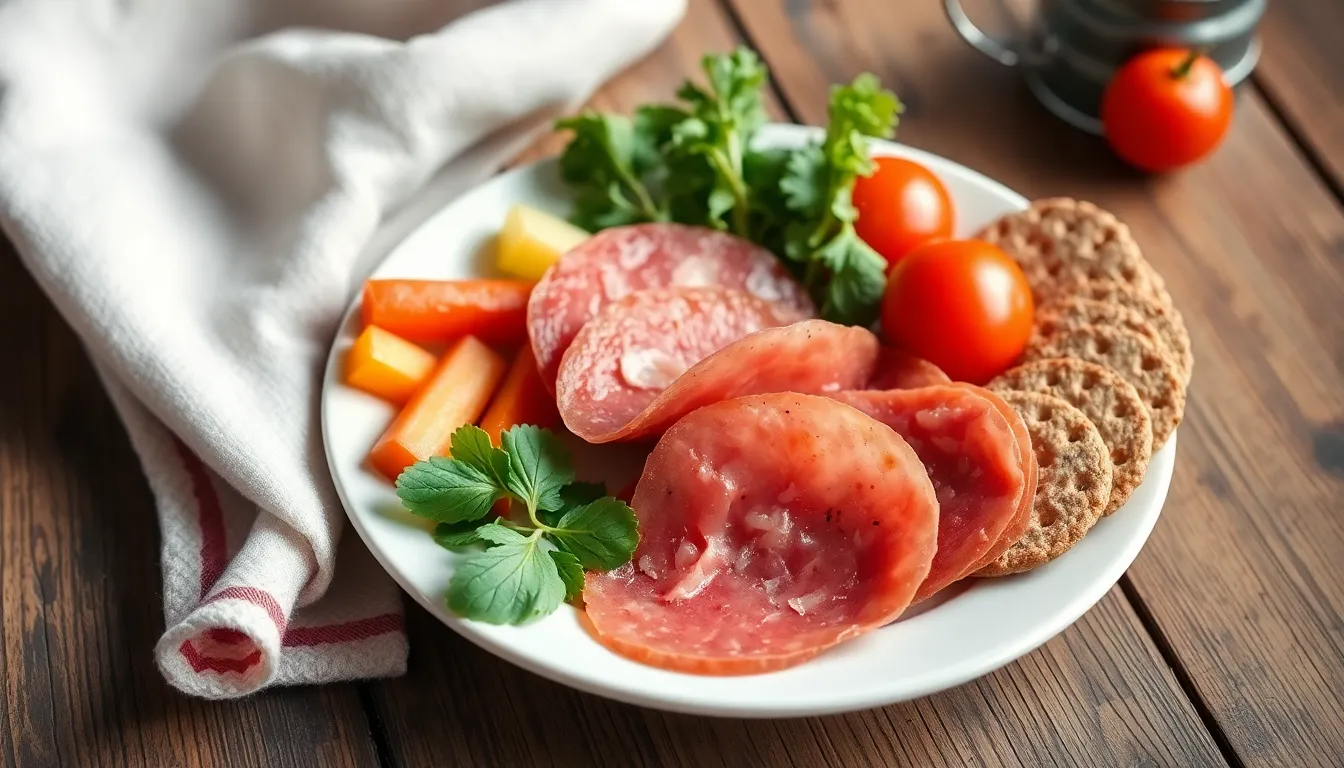
Salami contains several key nutrients but also poses certain risks, particularly for pregnant women. Understanding both aspects can help in making informed dietary choices.
Key Nutrients
Salami provides protein, essential for muscle growth and development. Iron plays a crucial role in maintaining energy levels and supporting blood health. B vitamins, particularly B12, contribute to cell function and overall brain health. While these nutrients are beneficial, they come with higher fat and sodium levels, which require careful consideration.
Potential Risks
Eating salami during pregnancy raises concerns due to the potential presence of Listeria bacteria, which can lead to severe complications. Nitrates and nitrites in salami may negatively affect fetal development when consumed excessively. Pregnant women must be cautious of deli meats, as they often carry foodborne pathogens. Choosing high-quality salami products labeled “natural” or “organic” can help reduce exposure to harmful additives. Consulting healthcare providers ensures personalized advice regarding dietary restrictions.
Understanding Listeria and Other Bacteria
Pregnant women must remain vigilant about food safety due to the risk of harmful bacteria, especially Listeria. This bacteria, found in some deli and cured meats, poses serious risks during pregnancy. Infection can lead to miscarriage, stillbirth, or serious health issues for newborns. The immune system weakens during pregnancy, increasing vulnerability to such pathogens.
How Listeria Affects Pregnancy
Listeria infection, known as listeriosis, can trigger severe complications for pregnant women. Symptoms may include fever, muscle aches, fatigue, and gastrointestinal problems. If untreated, the infection can spread to the fetus. Consequences for the baby can include premature birth or serious infections. Access to quick medical care can mitigate risks. Pregnant women experiencing symptoms should seek immediate attention.
Safe vs. Unsafe Meats
Choosing safe meats is crucial for pregnant women. Fully cooked or pasteurized options greatly reduce the risk of Listeria and other harmful bacteria. Deli meats, including salami, should be heated until steaming to ensure safety. Conversely, avoid raw or undercooked meats and those from questionable sources. Prioritizing high-quality, natural, or organic meats minimizes exposure to harmful additives. Being informed about reputable brands and local regulations enhances meat safety during pregnancy.
Guidelines for Eating Salami While Pregnant
Eating salami during pregnancy requires careful consideration of safety and quality. Understanding the types of salami and appropriate preparation methods can help mitigate risks.
Types of Salami
Salami comes in various types, each with unique characteristics. Italian salami, for instance, features a blend of spices and tends to be drier. Meanwhile, Spanish chorizo often contains smoked paprika, providing a distinctive flavor. When selecting salami, look for options labeled “natural” or “organic” to avoid unnecessary additives. Additionally, choosing fully cooked or pasteurized varieties may reduce the risk of foodborne illnesses, including Listeria. Pregnant women must prioritize products from reputable sources, ensuring the highest quality and safety.
Preparation and Cooking Methods
Proper preparation plays a crucial role in making salami safer to consume. Heating deli meats, including salami, until steaming significantly decreases the likelihood of harmful bacteria. Consider using a microwave, skillet, or oven to heat the salami thoroughly. Avoid serving it raw or undercooked, as this increases the risk of infection. Storing salami correctly also impacts safety; keep it refrigerated and consume it by the expiration date. By implementing these preparation methods, pregnant women can enjoy salami while minimizing potential health risks.
Alternatives to Salami During Pregnancy
Pregnant women seeking safe alternatives to salami can consider several options. Turkey and chicken deli meats, when heated until steaming, provide a healthier substitute. Lean cuts of beef or lamb offer a rich source of protein and iron, crucial for fetal development.
Roasted vegetables can also add flavor and nutrients without the risks associated with cured meats. Choosing spreads such as hummus or bean dips contributes fiber and plant-based protein, making them excellent choices. Additionally, fresh fruits and cheeses, such as mozzarella made from pasteurized milk, satisfy cravings while adhering to safety guidelines.
For those craving the taste of salami, look to alternatives made from turkey or chicken, seasoned similarly to traditional salami. These options typically contain fewer nitrates and nitrites, promoting a safer dietary choice. Incorporating plant-based sausage or seitan into meals adds variety while ensuring nutritional benefits.
Snackers may find factors like convenience and safety important. Roasted chickpeas or air-popped popcorn deliver crunchy satisfaction without health concerns. Yogurt, especially varieties rich in probiotics, supports digestive health and boosts immunity.
Consulting with healthcare professionals remains vital for personalized recommendations. They can provide insights tailored to individual dietary needs during pregnancy. Following these alternatives can help maintain a balanced diet while prioritizing the health of both mother and baby.
Navigating dietary choices during pregnancy can be challenging. While salami offers some nutritional benefits, the risks associated with consuming cured meats must be carefully considered. Pregnant women should prioritize food safety by opting for fully cooked or pasteurized options and selecting high-quality products labeled “natural” or “organic.”
It’s crucial to avoid raw or undercooked meats to minimize the risk of harmful bacteria like Listeria. For those craving the flavor of salami, healthier alternatives exist that can satisfy those cravings without compromising safety. Consulting with healthcare professionals for tailored advice can provide peace of mind and help ensure a healthy pregnancy.