
In a world where women juggle careers, family, and social lives, prioritizing health can feel like trying to find a unicorn in a haystack. Enter the women’s health center—a sanctuary designed exclusively for the unique needs of women. It’s not just a clinic; it’s a one-stop shop for everything from routine check-ups to specialized care, all wrapped in a warm, welcoming atmosphere.
Imagine a place where you can sip herbal tea while discussing everything from menstrual cycles to menopause with professionals who actually listen. With expert guidance and a sprinkle of humor, women’s health centers empower women to take charge of their well-being. So why not take a break from the chaos and invest in yourself? After all, a healthy woman is a powerful woman, and every superhero deserves a sidekick—especially when it comes to health.
Overview of Women’s Health Centres
Women’s health centres serve as essential facilities designed to address the specific health needs of women. These centers focus on providing a comprehensive range of services, including routine check-ups, preventive care, reproductive health services, and specialized treatments. Many offer additional support options such as mental health resources, nutrition counseling, and wellness programs.
A strong emphasis on comfort and privacy makes women’s health centres welcoming environments. Health professionals in these centers often receive specific training to understand the unique experiences women face, creating a trusting space for open discussions about health concerns. Regular interactions with knowledgeable staff empower women to prioritize their health and navigate their care.
Statistics demonstrate the impact of dedicated women’s health services. Research indicates that women who utilize specialized care often achieve better health outcomes and higher satisfaction rates. Quality care encourages women to seek preventative measures, leading to early detection of potential health issues.
Community engagement enhances the reach and effectiveness of these centres. Many offer educational workshops and outreach programs, increasing awareness of women’s health issues. By fostering a supportive community, women’s health centres contribute significantly to overall public health.
Access to these services is crucial for empowering women. It encourages active participation in their wellness journeys, promoting holistic approaches to health. Investing in women’s health ultimately nurtures their well-being and strengthens their roles in society.
Services Offered
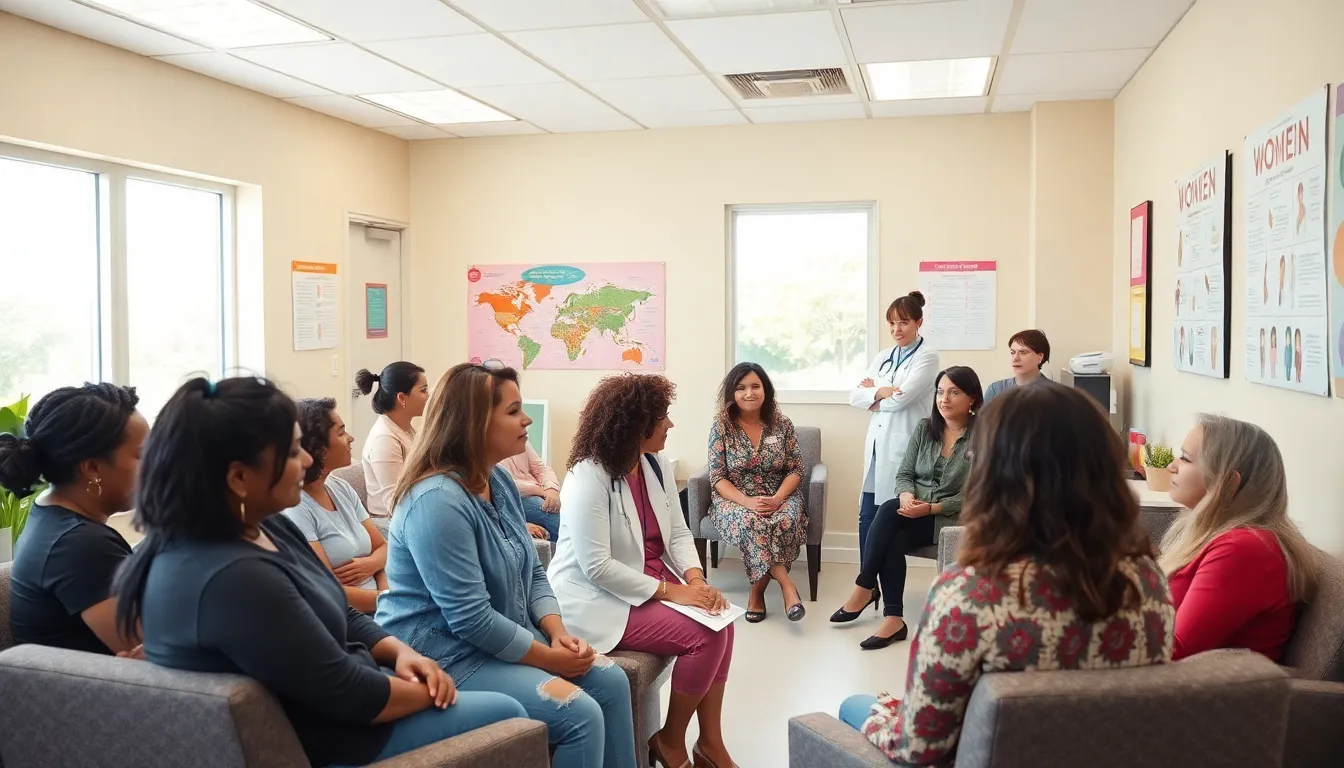
Women’s health centers provide a variety of essential services designed to meet their unique health needs. These offerings foster comprehensive care focused on prevention, reproductive health, mental well-being, and overall wellness.
Preventative Care
Preventative care includes routine check-ups, screenings, and immunizations designed to detect health issues early. Regular mammograms significantly reduce breast cancer mortality rates by identifying concerns before they advance. Pelvic exams promote reproductive health through early detection of cervical changes. Health professionals encourage women to participate in health screenings regularly, which can lower the risk of serious medical conditions and enhance long-term wellness.
Reproductive Health Services
Reproductive health services offer critical support for family planning, maternity care, and menopause management. Contraceptive counseling helps women select the most effective birth control methods suitable for their lifestyles. Prenatal care ensures a healthy pregnancy journey through regular monitoring and education. Menopause management addresses symptoms with tailored approaches that enhance quality of life during this natural transition.
Mental Health Support
Mental health support plays a vital role in addressing emotional well-being alongside physical health. Counseling services provide safe spaces for women to express concerns and seek guidance. Programs targeting stress management, anxiety, and depression empower women to find coping strategies that fit their lives. Additionally, resources promoting emotional resilience contribute to overall well-being, reinforcing the connection between mental health and physical health outcomes.
Importance of Women’s Health Centres
Women’s health centres play a crucial role in addressing the unique health needs of women, making healthcare more accessible and tailored to their specific needs.
Accessibility and Community Impact
Accessibility remains a core strength of women’s health centres. Many facilities offer services to underserved populations, ensuring that women from various backgrounds receive care. Convenience in location and hours enhances the likelihood of women seeking necessary medical help. Statistics indicate that women who have access to these centres are more likely to engage in preventative care, leading to improved community health outcomes. Outreach programs foster awareness about services and available resources, further promoting community health education. Engaging with local organizations amplifies the impact of these centres, creating partnerships that extend care beyond the clinic walls.
Patient-Centered Approach
A patient-centered approach defines the mission of women’s health centres. Focus lies on individualized care that respects women’s unique experiences and health concerns. Healthcare professionals prioritize building trust, enhancing communication, and fostering an understanding environment. Women’s input shapes services, ensuring that care is relevant and empowering. Many centres incorporate holistic practices, addressing physical, emotional, and mental health needs. This comprehensive methodology promotes stronger patient-provider relationships, encouraging women to actively participate in their health journeys. Quality interactions help women feel comfortable discussing sensitive issues, leading to improved health outcomes overall.
Challenges Facing Women’s Health Centres
Women’s health centers face a variety of challenges that impact their ability to provide essential services effectively. Funding and resources play a crucial role in maintaining operations and ensuring accessibility.
Funding and Resources
Limited funding constrains programs and operational capabilities. Many centers rely on grants and donations, which can fluctuate year to year. Budget constraints often prevent the hiring of additional staff needed to meet growing demands. Facilities struggle to maintain up-to-date medical equipment without adequate financial support. Therefore, securing consistent funding is vital for sustaining quality services.
Awareness and Education
Raising awareness about available services remains a challenge. Many women lack knowledge regarding the specific health services offered at these centers. Educational efforts targeting underserved communities help bridge this information gap. Workshops and community outreach initiatives offer valuable insights into health issues affecting women. Targeted campaigns around health screenings can also promote preventive care, encouraging women to prioritize their health.
Future Trends in Women’s Health
Innovative technology is shaping the future of women’s health services. Telehealth options expand access by allowing women to connect with healthcare professionals from home, increasing convenience and comfort. Wearable health devices track vital signs and menstrual cycles, empowering women to monitor their health actively.
Personalized medicine is on the rise, providing treatment plans tailored to individual genetic profiles. Such advancements ensure more effective management of chronic conditions affecting women, such as autoimmune diseases and osteoporosis. Increased focus on mental health aligns with the growing recognition of its significance in overall well-being. Programs integrating mental health support within women’s health centers are vital for addressing anxiety and stress.
Healthcare policies are evolving to support women’s unique health needs more comprehensively. Legislation is promoting reproductive rights, ensuring access to necessary services like family planning and maternity care. Community partnerships enhance outreach efforts, targeting underserved populations to raise awareness about services available at women’s health centers.
Moreover, preventive care is becoming a priority in women’s health strategies. National statistics indicate that early detection through screenings significantly improves outcomes for conditions like breast cancer and cervical changes. Public awareness campaigns are crucial to educating women on the importance of regular check-ups and screenings.
Holistic approaches to health are gaining traction, recognizing the interconnectedness of physical, emotional, and mental well-being. Integrative health services, combining traditional and complementary medicine, offer comprehensive care options. Customized wellness programs focusing on nutrition and fitness further empower women to take control of their health.
Anticipated trends in women’s health demonstrate a commitment to meeting evolving needs and promoting wellness. Centers that adapt to these changes are likely to lead the way in improving health outcomes and patient satisfaction for women.
Women’s health centers play a pivotal role in addressing the unique health needs of women. By offering a range of services in a supportive environment these centers empower women to take charge of their health. The focus on preventative care and mental health support enhances overall well-being and encourages proactive health management.
As these centers continue to adapt to emerging trends and technologies they will remain essential in promoting women’s health. Ensuring consistent funding and raising awareness about available services will further strengthen their impact. Ultimately investing in women’s health is an investment in community well-being fostering healthier lives and stronger futures.