
In today’s world, women’s health is more important than ever, so why not treat it as such? That’s where women’s health clinics come into play. These specialized spaces are like cozy sanctuaries where women can navigate their health journey with comfort and dignity. Whether she’s a first-time visitor or someone who’s been around the block a few times, these clinics offer a wealth of knowledge and support that’s tailored specifically for women. So grab a cup of tea (or coffee, we don’t judge), and let’s jump into the world of women’s health clinics.
Overview of Women’s Health Clinics
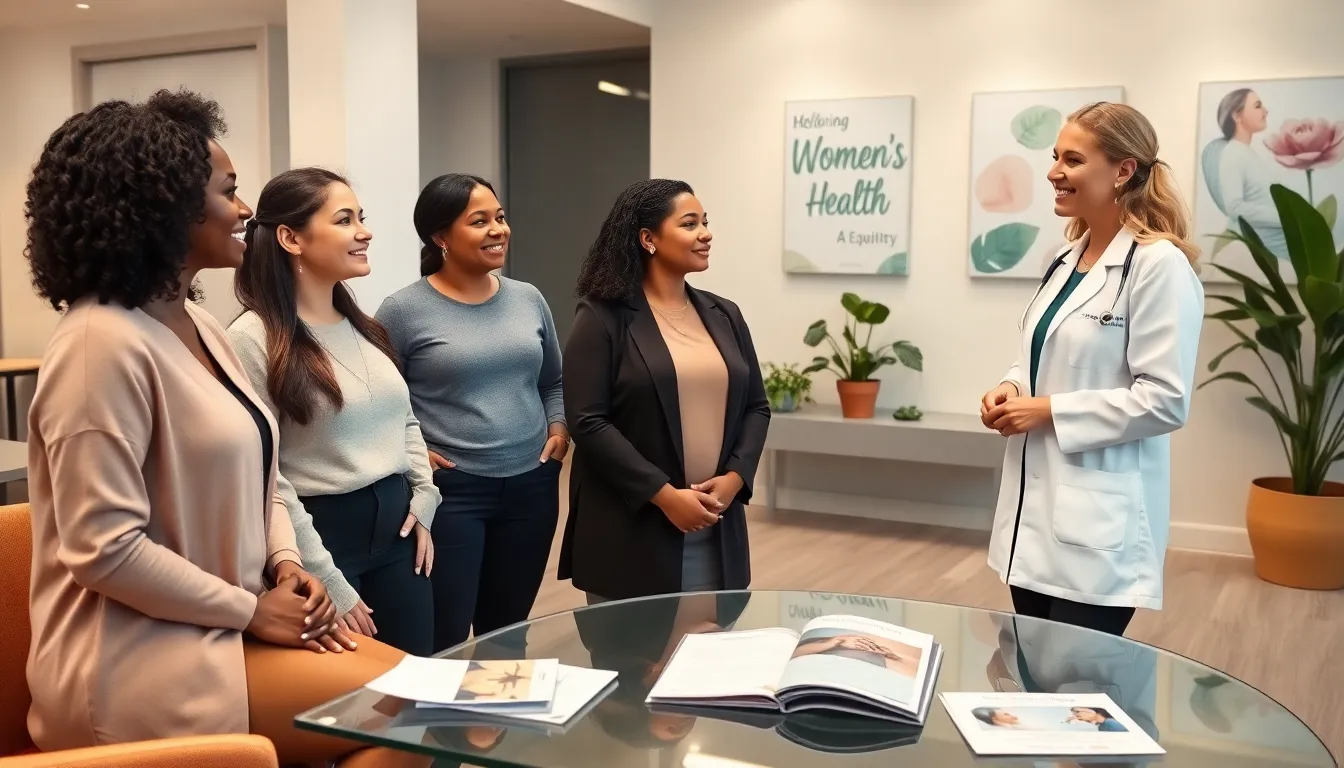
Women’s health clinics are dedicated facilities that focus exclusively on health issues specific to women. Instead of being just another section in a general hospital, these clinics provide an environment designed with women’s needs in mind. Initially emerging to address the unique health issues many women face, they’ve expanded to encompass a wide range of services.
What sets these clinics apart? Well, for starters, they prioritize comprehensive care, allowing women to discuss everything from reproductive health to chronic conditions without the awkwardness that might come in a mixed-gender setting. Many clinics also emphasize preventive care, ensuring that women don’t just react to health problems, but actively work to prevent them. This holistic approach often includes wellness checks, educational resources, and community engagement. Overall, women’s health clinics serve as a safe haven for those seeking specialized, compassionate care.
Importance of Specialized Care for Women
Specialized care is paramount in the realm of women’s health. Why, you ask? Women have unique biological and physiological processes that require specialized understanding. For instance, hormonal fluctuations, pregnancy, and menopause all influence health in ways that differ significantly from men. A women’s health clinic not only acknowledges these differences but embraces them, offering care that’s both informed and empathetic.
Consider this: A well-versed healthcare provider can make all the difference in spotting health issues early. For example, screenings tailored for women, like mammograms or Pap smears, become routine at these clinics, which can lead to early detection and better outcomes. This specialized care translates into better health management across the lifespan. Also, with a team trained to address specific concerns, women often feel more relaxed and understood, leading to stronger patient-provider relationships.
Services Offered at Women’s Health Clinics
Women’s health clinics offer a smorgasbord of services that cater specifically to women’s needs. Whether it’s routine check-ups or specialized tests, these clinics have got it covered.
Preventive Health Services
Services range from annual physical exams to vaccinations and blood tests. Preventive screenings can save lives, and women’s health clinics prioritize these key checks.
Reproductive Health
This section includes services for family planning, prenatal and postnatal care, and menopause management. Each aspect is closely monitored and customized to fit individual patient needs.
Mental Health Services
Recognizing the mental health aspect of overall well-being, many clinics also provide counseling and support groups, addressing issues like postpartum depression, anxiety, and body image concerns. Having a place to discuss emotional challenges adds another layer of support that often gets overlooked in traditional health settings.
With such diverse services available, women leave these clinics not just treated, but empowered.
Choosing the Right Women’s Health Clinic
Selecting the right women’s health clinic is anything but trivial, it’s crucial. A few factors should guide this important decision.
Location and Accessibility
The first consideration should always be convenience. A clinic close to work or home makes it easier to attend appointments consistently.
Specialized Services
Look for clinics that offer services tailored to your specific needs. Whether one is seeking prenatal care, menopause support, or general wellness checks, finding a clinic that covers those bases is essential.
Provider Credentials
Research the qualifications and experience of healthcare providers. Services are only as strong as the people offering them. Verifying certifications can ensure patients are in good hands.
Atmosphere
Finally, it’s important to feel comfortable in a clinic. During the initial visit, observe the atmosphere: Are the staff friendly? Is the space welcoming? This comfort can significantly impact the overall experience.
Insurance and Payment Options
Understanding the financial aspect of women’s health clinics is crucial. Many clinics offer a range of payment options, making healthcare accessible to more women.
Insurance Compatibility
Most women’s health clinics accept various insurance plans. It’s wise to contact the clinic beforehand to confirm acceptance of specific plans. This can prevent unwelcome surprises when bills arrive.
Sliding Scale Payment
Plus to insurance, many clinics provide sliding scale payment options based on income. For women without insurance, this flexibility can make all the difference in maintaining health.
Patient Experience and Support Services
The patient experience at women’s health clinics is designed to prioritize comfort and support. From the moment a woman walks through the door, she should feel welcomed and safe.
Friendly Staff
The staff plays a key role in shaping the experience. Friendly receptionists and knowledgeable nurses contribute to a warm environment that encourages open dialogue about sensitive health issues.
Support Services
Also, many clinics offer additional support services such as educational workshops, nutrition counseling, and peer support groups. These resources can deepen a woman’s understanding of her health and create a sense of community among patients.
Prioritizing patient-centered care eventually enhances the experience, making health clinics more than just places of treatment, rather, they serve as centers of empowerment.