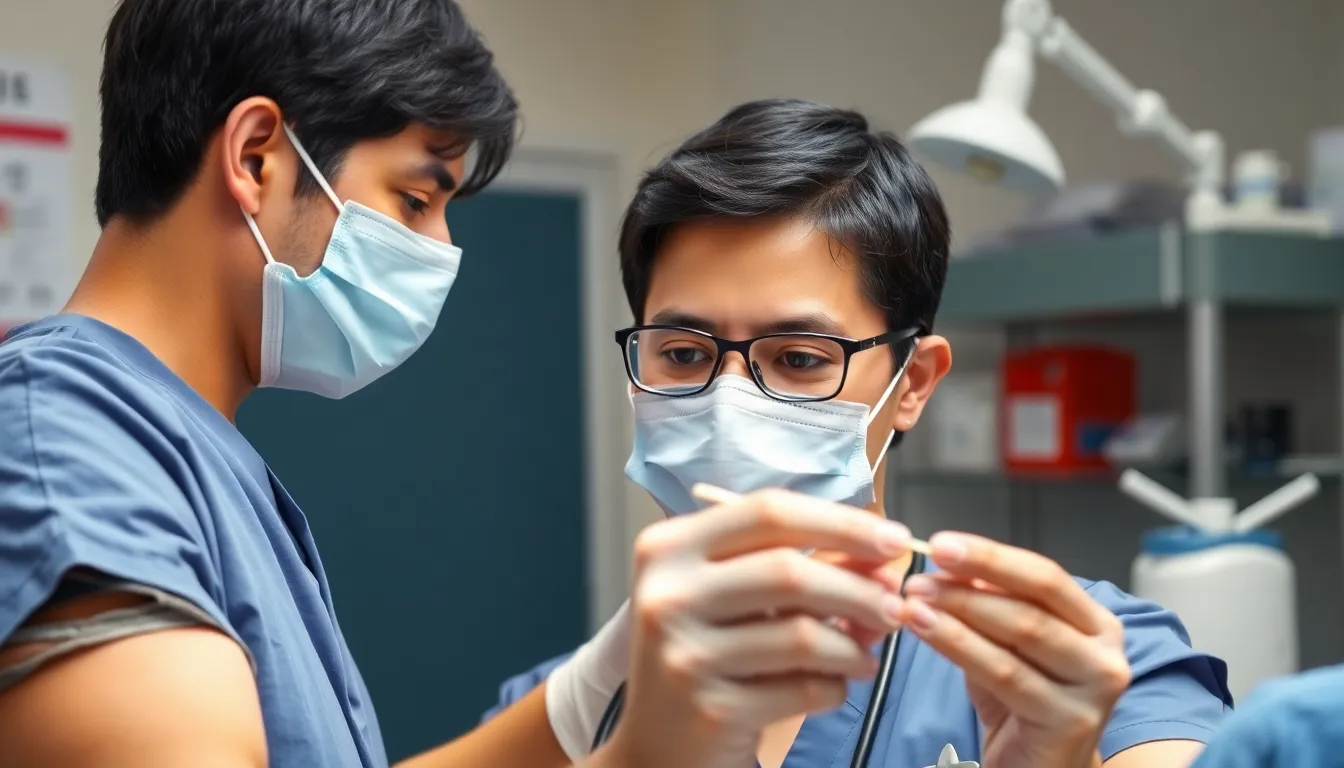
In a world where germs seem to be the new party crashers, the viral culture swab is stepping into the spotlight like a superhero in scrubs. This nifty little tool is not just for the germaphobes among us; it’s a game-changer in diagnosing viral infections. Imagine a tiny cotton swab, armed and ready to collect samples, helping doctors figure out what’s making you feel like a soggy tissue.
But don’t let its unassuming appearance fool you. The viral culture swab is on a mission to conquer the unknowns of viral infections, bringing clarity and speed to the medical field. With its help, doctors can pinpoint the culprit faster than you can say “viral outbreak.” So buckle up as we dive into the world of viral culture swabs, where science meets a touch of humor, and health becomes a whole lot cooler.
Overview Of Viral Culture Swab
Viral culture swabs serve as vital instruments in the diagnosis of viral infections. They’re designed to collect specimens, allowing for precise identification of pathogens.
Definition and Purpose
A viral culture swab refers to a sterile tool used to gather samples from a patient’s respiratory tract, throat, or other infected areas. Medical professionals utilize this swab to collect specimens that undergo laboratory analysis. The primary purpose involves isolating viruses present in collected samples, which aids in confirming viral infections and guiding appropriate treatments. Rapid test results play a crucial role in making timely healthcare decisions, ultimately improving patient outcomes.
Types of Viral Culture Swabs
Several types of viral culture swabs exist, each with specific applications. Naso-pharyngeal swabs collect samples from the nasal passages, ideal for respiratory viruses. Oropharyngeal swabs focus on the throat, useful in detecting viruses that cause sore throats or similar symptoms. Additionally, rectal swabs assist in identifying viruses affecting gastrointestinal systems. The selection of a specific swab type depends on the suspected virus and infection site, enhancing the overall accuracy of diagnostic processes.
Importance In Medical Diagnostics

Viral culture swabs play a crucial role in medical diagnostics by enabling the accurate identification of viral pathogens. They facilitate the collection of samples from various sites on the body, which helps clinicians pinpoint infections with precision.
Role in Detecting Viral Infections
Detecting viral infections relies heavily on the effectiveness of viral culture swabs. These swabs gather specimens from the respiratory tract, throat, or infected areas, making it easier for labs to isolate specific viruses. Rapid identification assists healthcare providers in developing targeted treatment plans. With swabs tailored for particular viruses, such as naso-pharyngeal swabs for respiratory viruses or rectal swabs for gastrointestinal infections, diagnostic accuracy improves, ensuring patients receive appropriate care swiftly.
Advantages Over Other Testing Methods
Viral culture swabs offer several advantages compared to alternative testing methods. They enable the isolation of live viruses, which can lead to more comprehensive understanding of the infection. This live virus isolation aids in monitoring viral activity and response to treatments. Additionally, swabs reduce the likelihood of false negatives often associated with antigen tests and can be more reliable than PCR methods in specific cases. By enhancing sensitivity and specificity, viral culture swabs provide an invaluable tool for medical professionals in diagnosing viral infections effectively.
Collection and Handling Techniques
Effective collection and handling techniques play a vital role in ensuring the accuracy of viral culture swabs. Proper procedures maximize the chances of isolating pathogens.
Best Practices for Sample Collection
Sample collection requires meticulous attention to detail. Use sterile swabs designed for viral cultures to prevent contamination. Technique matters; swabs should gently touch the area of interest, ensuring adequate material is collected. Aim for the nasopharynx when collecting samples for respiratory viruses. Timing also impacts results; morning collections often yield the highest viral loads. Follow institutional protocols for collection to maintain consistency and accuracy.
Storage and Transport Conditions
Optimal storage and transport conditions enhance sample viability. Maintain collected samples at refrigerated temperatures, ideally between 2°C and 8°C. Transport samples promptly, as delays can adversely affect viral integrity. Use cold packs in transport boxes to ensure consistent temperatures. Label all samples clearly to avoid mix-ups. Following these conditions aids labs in accurately diagnosing viral infections and minimizes the risk of test failures.
Limitations and Challenges
Viral culture swabs, while valuable, face several limitations and challenges in clinical settings. Understanding these aspects is crucial for effective diagnostic practices.
Potential Contamination Issues
Collection and handling processes pose significant contamination risks. Contaminated swabs can introduce foreign pathogens, potentially skewing test results. Ensuring sterility during sample collection is vital. Environmental factors contribute to contamination, especially in high-traffic clinical areas. Regular training for healthcare professionals can minimize mishaps during sample collection. Overlooking these procedures may lead to erroneous diagnoses, impacting patient treatment plans.
False Negatives and Positives
Both false negatives and positives present challenges in viral diagnostics. False negatives occur when tests fail to detect an existing virus, leading to misdiagnosis and untreated infections. Technical errors in the collection or processing phase often contribute to this issue. Conversely, false positives may result from cross-reactivity with similar viral pathogens, causing unnecessary anxiety for patients. It’s crucial for laboratories to implement quality control measures to reduce these occurrences. Regularly evaluating and updating testing protocols can enhance accuracy and reliability in viral detection.
Future Trends and Innovations
Future advancements in viral culture swabs promise to enhance diagnostic capabilities significantly. Innovations in sample collection technology aim to improve user experience and minimize contamination. For instance, automated swab collection systems may emerge, ensuring consistent sampling techniques. Adaptations in materials used for swabs, including biomaterials, might further enhance the viability of samples during transport. Continuous research on viral culture methodologies is crucial for developing faster and more accurate testing options.
Advancements in Technology
Technological progress in viral culture swabs focuses on increasing speed and precision. Next-generation sequencing plays a pivotal role in swiftly identifying viral pathogens from collected samples. Enhanced imaging techniques could arise, allowing for real-time visual analysis during sample processing. Multiplexing capabilities enable simultaneous detection of multiple viruses, improving diagnostic efficiency. These technology-driven advancements ensure that healthcare providers maintain high accuracy in diagnosing viral infections.
Integration with Other Diagnostic Methods
Integration of viral culture swabs with other diagnostic techniques enhances overall testing efficacy. Combining viral cultures with polymerase chain reaction (PCR) assays allows for a thorough examination of samples. Such integration provides a more comprehensive understanding of viral agents present. Implementation of digital health records could streamline results sharing among healthcare professionals. Successful collaboration among various testing methods leads to better treatment strategies for patients experiencing viral infections.
Viral culture swabs play a pivotal role in modern diagnostics. Their ability to accurately collect and isolate viral pathogens is crucial for effective treatment and management of viral infections. As technology advances the methods of sample collection and analysis, these swabs are likely to become even more efficient and reliable.
Healthcare professionals can rely on viral culture swabs not only for their diagnostic capabilities but also for their potential in guiding treatment plans. By adhering to best practices in collection and handling, the medical community can continue to enhance patient outcomes and combat viral outbreaks effectively. The future of viral diagnostics looks promising with innovations that will further elevate the importance of viral culture swabs in clinical settings.