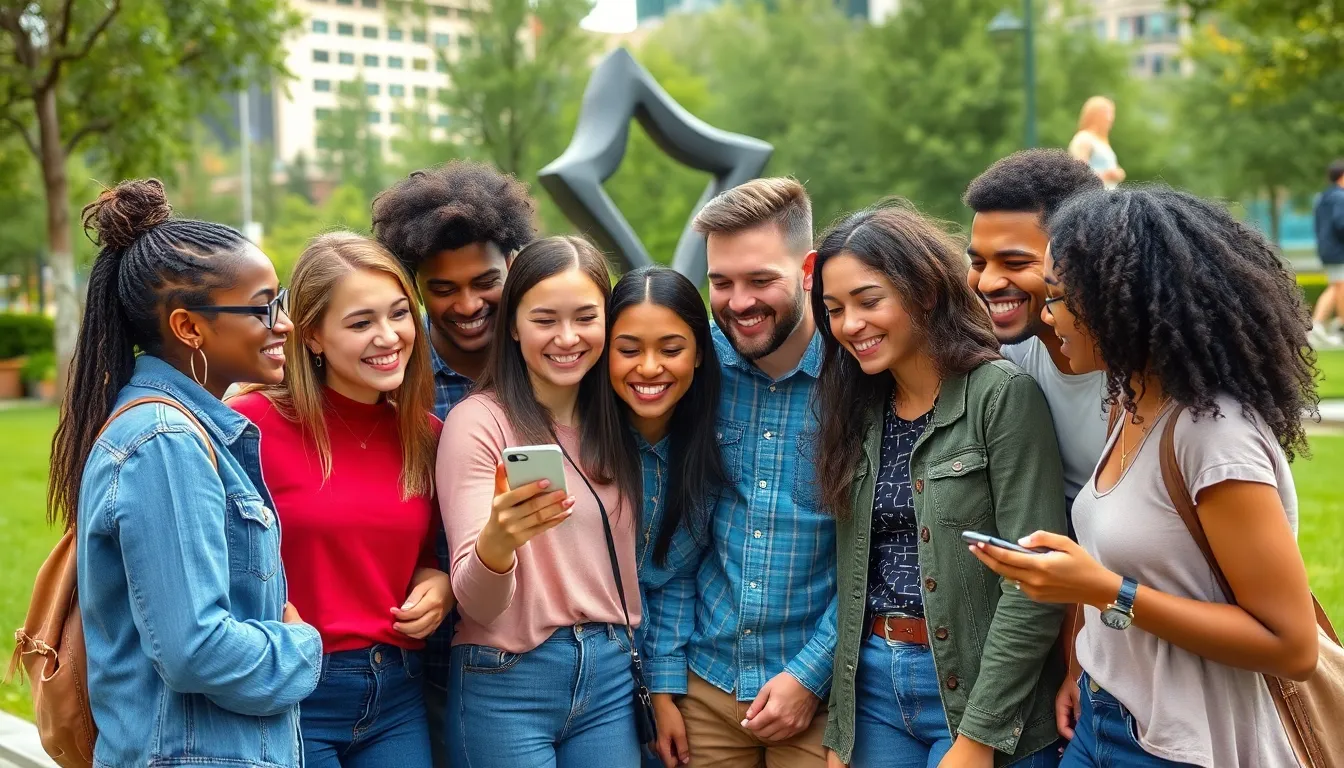
In today’s digital playground, viral culture reigns supreme, transforming ordinary moments into global sensations. One minute, a cat’s ridiculous dance moves are just another video on the internet; the next, it’s a meme that has everyone laughing and sharing. This phenomenon isn’t just about cats, though—it’s a wild mix of trends, challenges, and catchphrases that capture the collective imagination faster than you can say “TikTok.”
Viral culture shapes how people communicate, connect, and consume content. It’s a rollercoaster ride of creativity where anyone can become a star overnight. So, buckle up and get ready to explore the quirky, chaotic world of viral culture. From the latest TikTok dance to the memes that make us snort with laughter, this article dives into what makes something go viral and why it matters in our fast-paced digital lives.
Understanding Viral Culture
Viral culture represents a critical component of today’s digital landscape. Ordinary moments transform into global sensations, impacting how people communicate and connect.
Definition and Importance
Viral culture describes the rapid spread of content through social media platforms and various digital channels. It influences trends, amplifying messages, and allowing individuals to share experiences with broad audiences. Content enters the mainstream quickly; an idea or meme captures attention in a matter of hours, changing public discourse. The significance lies in its ability to foster community and engagement, creating connections among users across different backgrounds. This phenomenon empowers creativity, offering anyone the opportunity to achieve visibility and recognition with a single post.
Historical Context
Viral culture, while prevalent today, has roots dating back to early internet phenomena. The advent of email chains in the 1990s marked one of the first instances of content spreading naturally among users. Platforms like YouTube transformed content sharing, allowing videos to circulate extensively. Social media’s evolution, including Facebook and Twitter, accelerated this trend. Initially, sharing focused on personal updates; however, it shifted toward memes and trending hashtags. By analyzing these historical developments, one recognizes the ongoing evolution of viral culture, emerging as a defining feature of contemporary communication.
Techniques in Viral Culture
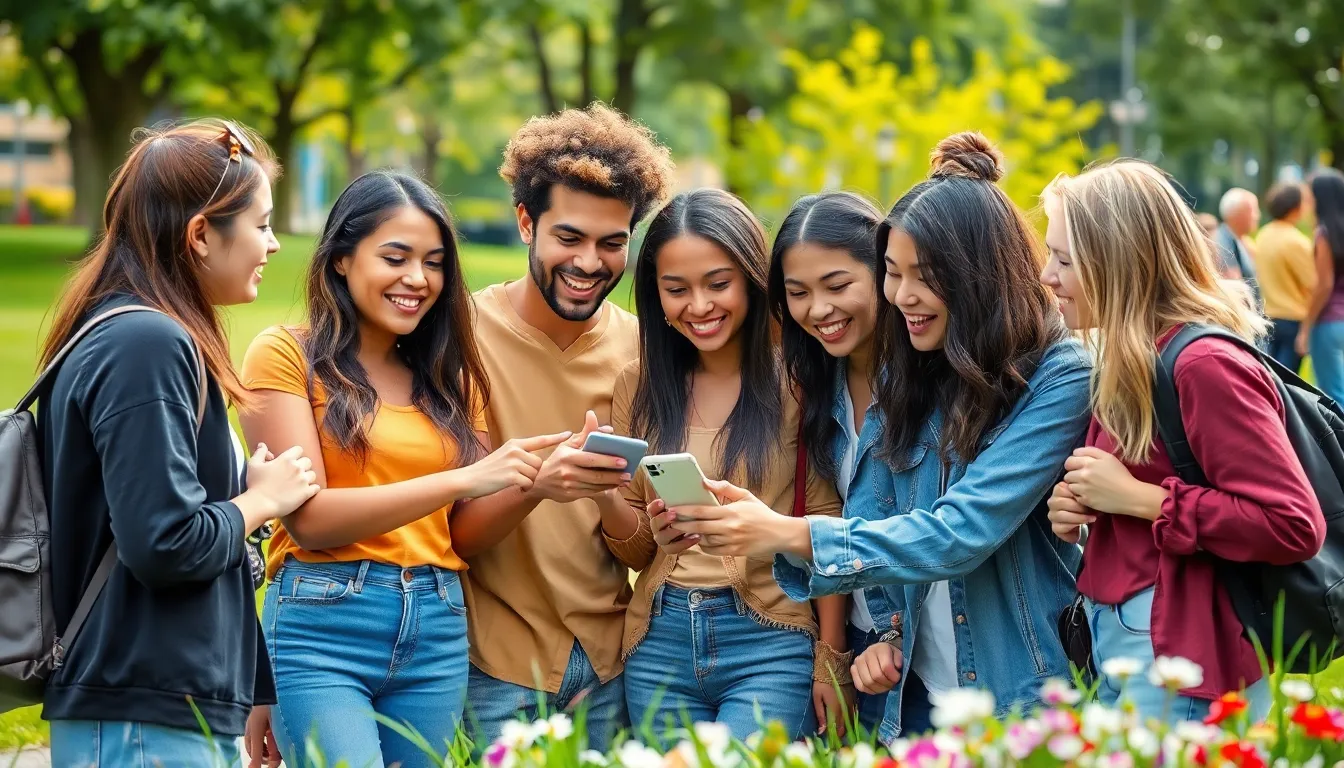
Creating viral content involves various techniques that have evolved over time. Both traditional and modern methods play crucial roles in how content spreads.
Traditional Methods
Early methods included word of mouth and email chains. People shared funny videos, images, or catchy phrases among friends. This organic sharing created buzz and engagement. Crafting relatable content proved effective, as users connected with shared experiences. Adding humor or emotional resonance encouraged more sharing. Additionally, leveraging social networks like forums and blogs amplified reach. The more people shared, the wider the audience grew, forming an early foundation for viral culture.
Modern Advances
Today, technology enables rapid content sharing across multiple platforms. Social media networks like Instagram, TikTok, and Twitter facilitate instant engagement. Engaging visuals or short clips capture attention effectively, often leading to shares. Strategic use of hashtags increases visibility, making posts discoverable to wider audiences. Collaboration with influencers enhances credibility, drawing more users to share. Predictive algorithms now analyze trends, optimizing posts for maximum reach. The combination of creativity and technology drives higher chances of virality in contemporary culture.
Applications of Viral Culture
Viral culture significantly influences various fields, particularly in medical research and vaccine development. Its impact extends beyond social media, affecting how quickly and effectively information spreads in critical areas.
Medical Research
In medical research, viral culture plays a crucial role. Researchers use it to isolate and study viruses under controlled conditions. Enhanced understanding leads to faster diagnosis and improved treatment methods. For instance, studies of viral infections often rely on cultured samples to analyze infectivity. Innovation arises when scientists share findings online, attracting attention and collaboration. Sharing results on social platforms accelerates peer feedback, fostering a collaborative environment. This quick exchange of knowledge has profound implications for public health initiatives.
Vaccine Development
Viral culture is equally pivotal in vaccine development. Scientists use cultured viruses to identify antigens that stimulate immune responses. By isolating specific strains, researchers can design targeted vaccines more efficiently. Historical examples showcase rapid development timelines during outbreaks, underscoring the method’s effectiveness. Moreover, public awareness campaigns spread vaccine education, leveraging viral culture trends. When educational content goes viral, it enhances community engagement and trust. Increased interest leads to higher vaccination rates, ultimately benefiting public health on a global scale.
Challenges in Viral Culture
Viral culture presents several significant challenges that impact its efficacy and reach.
Contamination Issues
Contamination affects the integrity of content intended for virality. Various factors, including misinformation and diluted messages, can compromise content quality. Viral trends often originate from user-generated inputs. These inputs occasionally lead to the spread of misleading narratives. Social media platforms face continuous challenges in curating accurate information and addressing false claims. For instance, a viral challenge may spread rapidly yet promote unsafe behaviors. Sharing such content without verification can endanger public trust and lead to harmful repercussions.
Ethical Considerations
Ethical dilemmas emerge prominently in the realm of viral culture. The quest for engagement may fuel creators to prioritize sensationalism over factual accuracy. Ethical content creation requires balancing attention-grabbing elements with responsible messaging. When creators exploit societal issues for clicks, they risk trivializing serious subjects. Additionally, the anonymity of the internet complicates accountability. Creators may hesitate to take responsibility for harmful content that goes viral. This creates a need for clearer guidelines and standards in content sharing practices to maintain ethical integrity across platforms.
Future Trends in Viral Culture
Emerging technologies rapidly shape viral culture. Social media algorithms improve content discovery. Augmented reality (AR) and virtual reality (VR) enhance user engagement with immersive experiences. Automated editing tools streamline video production, enabling more creators to produce high-quality content. Blockchain technology offers new ways to authenticate and reward creators, addressing issues of content ownership.
Potential impacts of these trends extend across multiple sectors. Brands leverage viral content for targeted marketing campaigns, increasing visibility. Educational institutions utilize viral culture to promote awareness of critical issues, encouraging community involvement. Public health initiatives benefit from viral trends, as misinformation can lead to better-informed citizens. User-generated content fosters stronger connections, driving engagement among diverse audiences and promoting collaboration across various fields.
Viral culture is reshaping the way people interact and share information in today’s digital age. Its ability to transform ordinary moments into global phenomena showcases the power of creativity and connection. As technology continues to evolve, the dynamics of virality will likely shift, influencing how content is created and consumed.
The implications reach far beyond entertainment, impacting fields like public health and education. While challenges exist, such as misinformation and ethical concerns, the potential for positive change remains significant. Embracing viral culture can lead to innovative solutions and foster a sense of community among diverse audiences. As users navigate this landscape, understanding its nuances will be essential for meaningful engagement in the future.