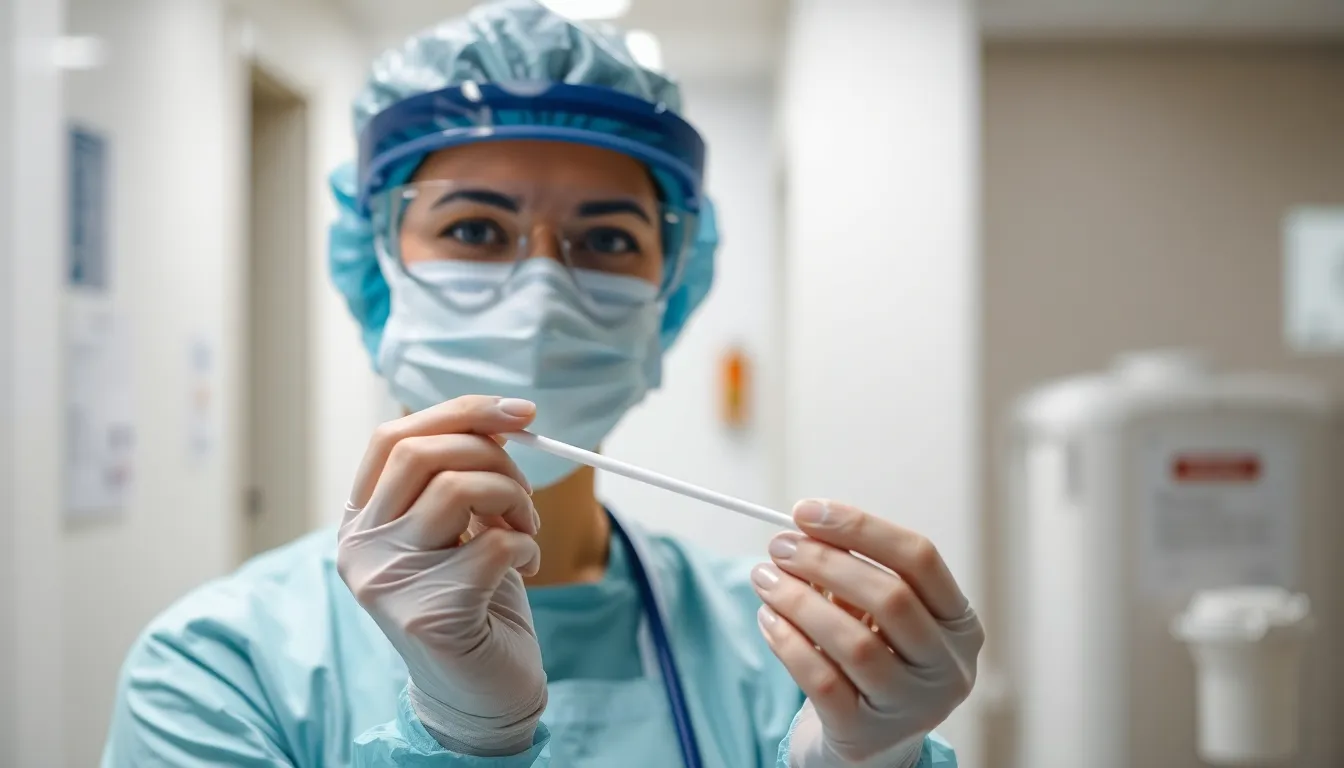
In a world where staying healthy feels like a high-stakes game of dodgeball, the viral swab has emerged as the unsung hero. Picture this: a tiny cotton stick, armed and ready to uncover the mysteries of your health. It’s like a detective for your nose, swooping in to reveal whether you’re harboring uninvited viral guests.
What Is a Viral Swab?
A viral swab is an essential tool used for detecting viral infections. This small diagnostic instrument plays a pivotal role in ensuring public health by identifying pathogens effectively.
Definition and Purpose
A viral swab consists of a thin stick with a small absorbent head designed for collecting samples from areas like the throat or nose. Its primary purpose involves gathering cellular material for laboratory analysis, which helps identify viruses such as influenza or COVID-19. By providing accurate results, healthcare professionals can initiate appropriate treatment plans. Viral swabs facilitate the understanding of infection spread, enabling timely public health interventions.
Types of Viral Swabs
Various types of viral swabs exist, each tailored for specific diagnostic purposes. Nasopharyngeal swabs collect samples from the nasal passages, while oropharyngeal swabs target the throat area. Saliva swabs, increasingly popular due to ease of use, analyze saliva for viral presence. Some tests utilize rapid antigen swabs, allowing swift results in less than 30 minutes. Understanding these types aids healthcare providers in selecting the right swab for accurate testing and effective patient management.
How Viral Swabs Are Collected
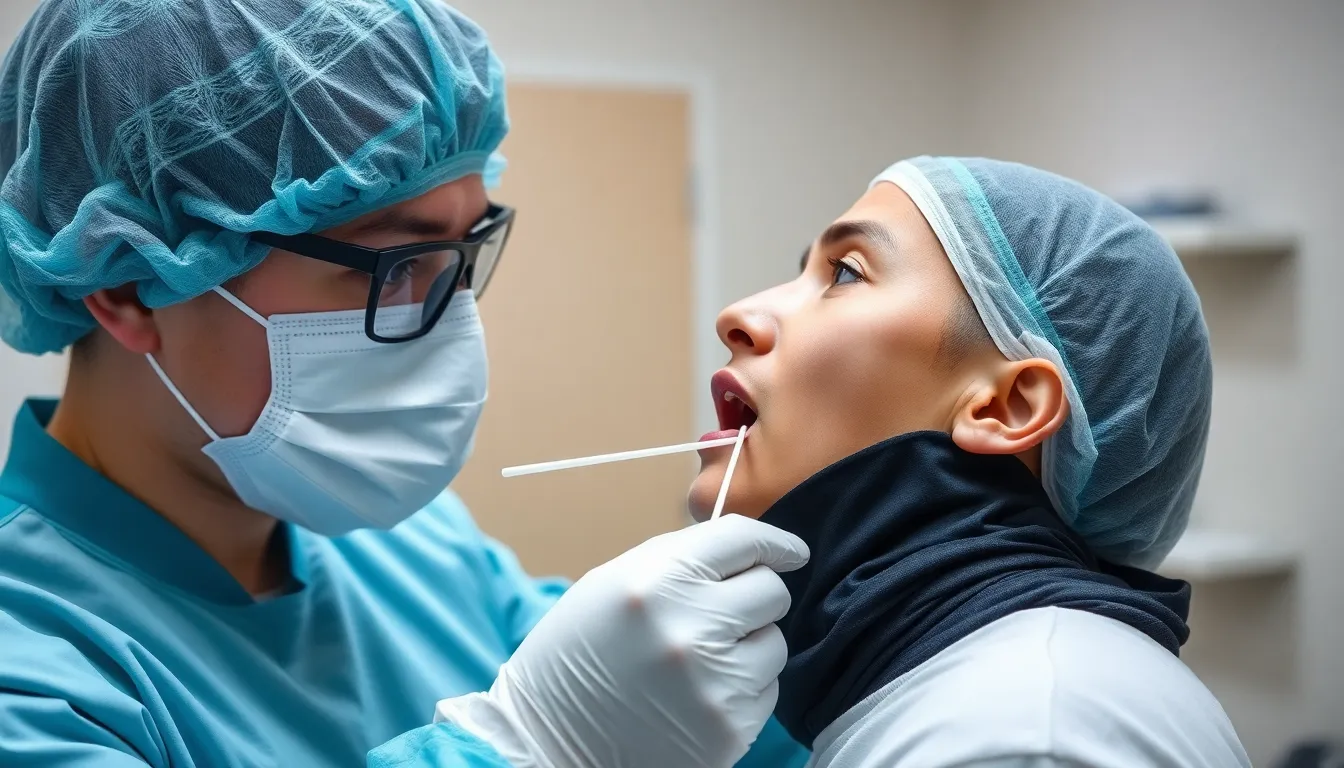
Collecting viral swabs involves specific techniques and best practices to ensure accurate results.
Techniques and Procedures
Medical professionals use various techniques to collect viral swabs. Trained staff typically insert the swab into the designated area, such as the nose or throat. A nasopharyngeal swab collects samples from deep within the nasal passage, while oropharyngeal swabs target the throat. Saliva swabs require patients to provide a saliva sample for analysis. Each technique aims to gather sufficient material for laboratory analysis. Proper sample collection directly impacts test reliability.
Best Practices for Collection
Adhering to best practices ensures high-quality samples during viral swab collection. Staff members should wear appropriate personal protective equipment. It’s essential to use sterile swabs and avoid touching non-target areas to prevent contamination. Proper labeling of samples and prompt transportation to the lab maintain sample integrity. Patients often receive instructions to avoid eating or drinking prior to collection. Maintaining a clean technique enhances the accuracy of viral detection.
Common Uses of Viral Swabs
Viral swabs play a vital role in various fields, particularly in diagnostic testing and research.
Diagnostic Testing
Diagnostic testing represents the primary use of viral swabs. Healthcare providers utilize these swabs to detect viral infections accurately. They gather samples from the nose or throat, facilitating the identification of viruses like influenza and COVID-19. Tests conducted on these samples can deliver results within hours or days. Fast and reliable, these tests support timely treatment decisions, allowing healthcare professionals to manage patients effectively. Results can significantly impact public health measures, especially during outbreaks.
Research Applications
Research applications expand the use of viral swabs beyond clinical settings. Scientists rely on these samples to study viral behavior, transmission mechanisms, and mutation patterns. By analyzing viral RNA or DNA from swabs, researchers gain insights into epidemiology, contributing to vaccine development and public health strategies. Additionally, collaborations among laboratories enhance understanding of viral pathogenesis. These efforts collectively aim to improve responses to viral outbreaks, ensuring better preparedness for future health challenges.
Importance of Viral Swabs in Healthcare
Viral swabs serve as critical tools in the fight against infectious diseases, providing essential insights for healthcare systems. Their impact extends far beyond simple testing, making a substantial difference in public health outcomes.
Impact on Disease Control
Viral swabs play a significant role in controlling infectious diseases by enabling rapid identification of viruses. With timely detection, healthcare providers can implement targeted interventions to mitigate outbreaks. Early diagnosis allows for effective isolation of infected individuals, greatly reducing transmission rates. In large-scale respiratory infections, such as influenza and COVID-19, swab results assist public health officials in making informed decisions. Confirmed cases lead to faster responses, allowing for resource allocation where it is most needed.
Role in Pandemic Preparedness
During a pandemic, viral swabs are indispensable for monitoring and responding to emerging threats. These tools not only facilitate prompt testing but also help track viral mutations and transmission patterns. Analyzing data from viral swabs contributes to the understanding of virus behavior, guiding vaccine development and therapeutic strategies. Preparedness protocols rely on accurate swab testing to enable healthcare systems to anticipate potential surges in cases. Continuous research fueled by swab samples fosters a stronger foundation for future healthcare responses, ensuring communities are better equipped whenever a new threat arises.
Viral swabs serve as a critical component in the fight against infectious diseases. Their ability to swiftly detect viral infections not only aids in individual patient care but also plays a significant role in public health strategies. By ensuring accurate sample collection and analysis, healthcare professionals can implement timely interventions that help control outbreaks and reduce transmission. As technology and methodologies evolve, the importance of viral swabs will continue to grow, enhancing our ability to respond to current and future health challenges.