
Have you ever wondered how health professionals catch those sneaky viruses? Enter the viral culture swab, a tool so vital it deserves a round of applause. These little magic sticks are like detectives for pathogens, investigating infections with a seriousness that could rival any mystery novel. Whether it’s a putting-a-sneeze-on-display situation or something more serious, understanding viral culture swabs can shed light on your health. Buckle up: we’re diving into the bustling world of viral culture swabs and all the juicy details they unravel.
What Is a Viral Culture Swab?
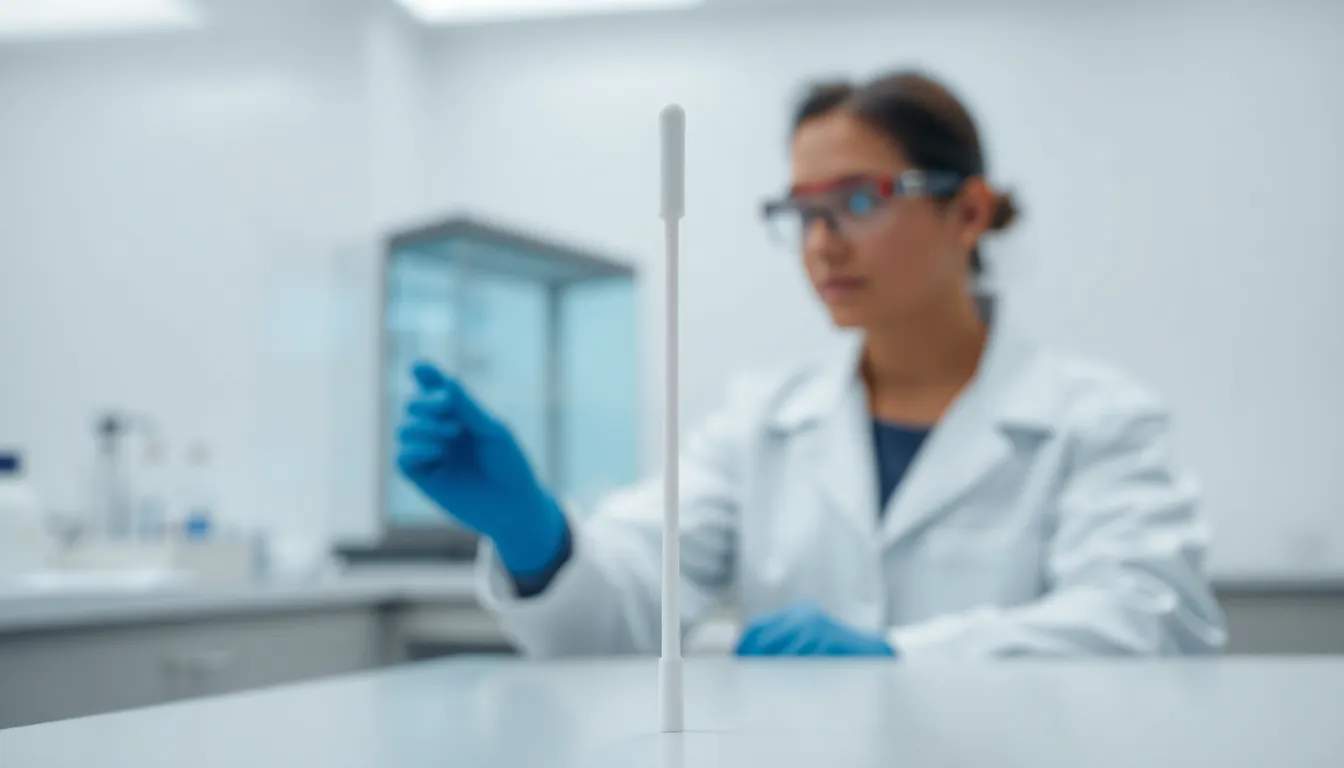
A viral culture swab is a special tool designed to capture and isolate viruses from samples collected from individuals. Think of it as a fishing net for the invisible creatures swimming in our bodies. Typically, the swab itself is a long stick with a soft tip, made of materials that won’t interfere with the virus. This allows lab professionals to swipe the inside of the mouth, nose, or throat, gathering any potential viral suspects for further analysis. The process is relatively quick and can provide crucial insights into infectious diseases. While most people focus on the immediate discomfort of the swab itself, it’s important to understand its role in diagnosing viral infections effectively.
How Does a Viral Culture Swab Work?
When a healthcare provider suspects a viral infection, they often turn to a viral culture swab. The process begins with the patient providing a sample to the healthcare professional. A sterile swab is then used to collect cells, a bit like collecting stamps for a collector’s album, but much less fun for the average person. Once the sample is secured, it is placed in a special medium that allows any viruses present to grow in the lab. This development period enables technicians to observe the growth and characteristics of the virus, which can be critical in determining the appropriate treatment. By culturing the virus, professionals can identify the specific pathogen and its characteristics, providing valuable information for guiding treatment decisions.
Types of Viral Culture Swabs
Viral culture swabs vary in type depending on the location from which the sample is collected. Nasopharyngeal swabs are commonly used to collect samples from the nose and throat, making them suitable for respiratory viruses like influenza. Alternatively, oropharyngeal swabs target the throat area, often for diagnosing diseases such as COVID-19. For cases involving skin lesions, a swab from the skin may be performed to test for viral infections like herpes. Also, specialized swabs are designed for specific testing requirements, enabling healthcare professionals to customize their approach based on clinical needs. Each type of swab serves a unique purpose, further enhancing the diagnostic capabilities of viral culture testing.
When Is a Viral Culture Swab Necessary?
Viral culture swabs are essential when healthcare providers need precise information about a patient’s viral infection. They are typically called into action during outbreaks of known viral diseases, or when patients present symptoms like severe respiratory issues, high fever, or unusual rashes. Plus, if a patient is immunocompromised or is experiencing complications, viral culture swabs become invaluable. Test results can guide timely and effective treatment plans, ensuring that patients receive the most appropriate care based on the specific virus identified. Timing is crucial: hence, swabs may also be performed during peak viral seasons or in the context of widespread viral outbreaks.
Benefits of Viral Culture Testing
The advantages of viral culture testing are manifold. First, it provides a clear diagnosis, which helps healthcare professionals choose the most effective treatment options. Unlike some rapid tests that may not provide specific information about the virus, viral culture can identify the exact pathogen, giving a more complete understanding of the infection. This method is also beneficial for tracking trends and outbreaks in public health, allowing for greater preparedness and response strategies. Besides, viral cultures can aid in monitoring the effectiveness of treatments, as observing the virus’s behavior in a laboratory setting can inform clinical decisions going forward. All these factors come together to showcase the importance of viral culture testing in enhancing patient care.
Limitations and Considerations
Even though its benefits, viral culture testing is not without limitations. One major drawback is that it can be time-consuming. The entire process from swab collection to obtaining results can take several days, delaying treatment if immediate action is necessary. Also, not all viruses can be easily cultured, as some may require complex growth conditions or simply do not multiply well in laboratory settings. There’s also the risk of contamination during collection, which can lead to false results. Patients may need to consider these factors when undergoing testing, especially in urgent healthcare situations where immediate diagnosis is critical.
The Future of Viral Culture Testing
As science progresses, so does the field of viral culture testing. Innovations such as faster growing mediums and improved detection technologies are on the horizon, aiming to reduce turnaround times and enhance accuracy. Enhanced automation in laboratories may streamline processes, making cultures more efficient and less prone to human error. Also, combining viral culture testing with advanced genomic sequencing could revolutionize how pathogens are categorized and treated, promoting a swift public health response during outbreaks. Besides, researching alternative methods of viral detection could lead to breakthroughs that surpass traditional culture processes, potentially making testing even more accessible for patients everywhere.